Contents
Scroll to:
https://doi.org/10.37489/2588-0527-2025-2-5-13
EDN: HTYGVC
Scroll to:
Background. Helicobacter pylori infection is a major risk factor for gastric cancer, and its eradication is considered a primary preventive measure. Proton pump inhibitors (PPIs) are a cornerstone of eradication therapy, but their efficacy is significantly influenced by genetic polymorphisms in the CYP2C19 enzyme, which is responsible for their metabolism.
Objective. To summarize and present current research on the impact of CYP2C19 genetic polymorphism on the effectiveness of H. pylori eradication therapy.
Materials and methods. A literature review was conducted using Russian and international databases (RSCI, PubMed, ResearchGate) with keywords including "CYP2C19 polymorphism," "proton pump inhibitor metabolism," and "Helicobacter pylori eradication." A total of 41 publications most relevant to the topic were analyzed.
Results. The metabolism of first-generation PPIs (omeprazole, lansoprazole, pantoprazole) is highly dependent on CYP2C19 activity. Patients are classified into different metabolic phenotypes (ultrarapid – UM, rapid – RM, normal – NM, intermediate – IM, poor – PM) based on their CYP2C19 genotype. Evidence, primarily from Asian populations, indicates that NM and RM/UM phenotypes are associated with lower eradication rates due to accelerated PPI metabolism and reduced drug exposure, whereas IM and PM phenotypes show higher efficacy. The Russian population has a high frequency of the rapid metabolizer allele CYP2C19*17, suggesting potential suboptimal response to standard PPI doses. Rabeprazole and esomeprazole demonstrate less dependence on CYP2C19, leading to more consistent efficacy across different genotypes. Clinical guidelines (e.g., CPIC, DPWG) recommend genotype-guided PPI dosing to optimize therapy.
Conclusion. CYP2C19 genetic polymorphism is a critical determinant of PPI pharmacokinetics and the effectiveness of H. pylori eradication. Pharmacogenetic testing for CYP2C19 can be a valuable tool for personalizing anti-Helicobacter therapy, particularly in populations with a high prevalence of rapid metabolizer alleles, by enabling the selection of the most appropriate PPI and its dose to overcome refractoriness and improve treatment outcomes.
Boyarko A.V., Sinitsina I.I. The effect of the genetic polymorphism of CYP2C19 on the effectiveness of eradication of Helicobacter pylori infection, a key factor in gastric carcinogenesis. Pharmacogenetics and Pharmacogenomics. 2025;(2):5-13. (In Russ.) https://doi.org/10.37489/2588-0527-2025-2-5-13. EDN: HTYGVC
Introduction
Currently, Helicobacter pylori-associated chronic gastritis is one of the most prevalent diseases worldwide [7, 16]. H. pylori infection, caused by a spiral, gram-negative bacterium that colonizes the gastric mucosa, is recognized as the primary etiological factor of chronic gastritis and is classified as a class I biological carcinogen [7, 14, 15]. Chronic gastritis associated with H. pylori provides the background for the development of a range of conditions, such as peptic ulcer disease and gastric cancer [7, 14, 16].
Gastric cancer remains the third leading cause of cancer-related mortality worldwide [19], and H. pylori infection plays a key role in its pathogenesis [14, 15, 18]. It is known that gastric MALT-lymphoma is also closely associated with H. pylori infection, and eradication therapy is considered the preferred treatment method for its early stages [7, 15, 17, 20].
The long-term persistence of H. pylori induces inflammation, leading to sequential changes in the gastric mucosa known as the Correa cascade—the development of gastric cancer through the progression of pathological processes in the gastric mucosa: active inflammation, atrophy formation, intestinal metaplasia, followed by the emergence of intraepithelial neoplasia (dysplasia), and ultimately, gastric adenocarcinoma (Fig. 1, 2) [7, 14, 15, 21].
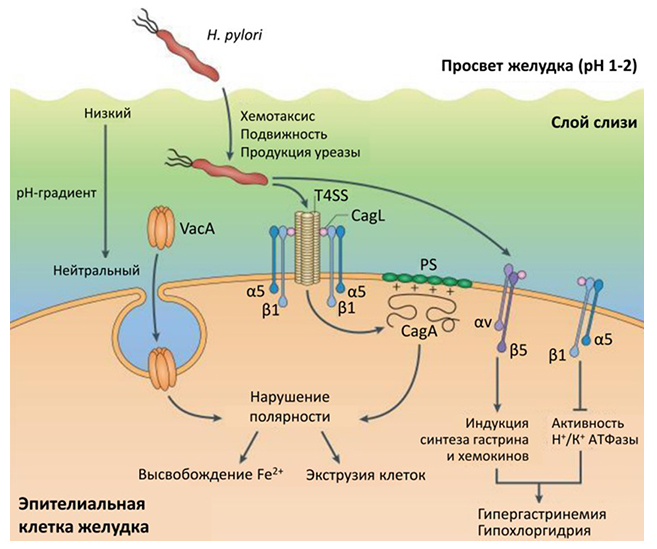
Fig. 1. Factors of colonization and persistence of H. pylori infection [Salama NR, et al., 2013]
Notes: T4SS — type IV secretion system; PS — phosphatidylserine.
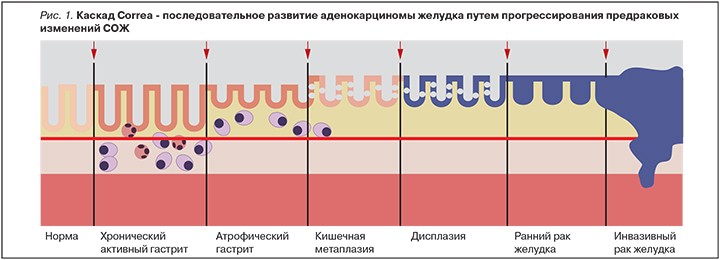
Fig. 2. The Correa cascade — transformation of pathological changes in the gastric mucosa from normal to gastric cancer [Correa P, 1984]
Undoubtedly, various factors determine the severity and rate of gastric mucosal changes: chronic gastritis of other etiologies (autoimmune gastritis, Epstein-Barr virus), heredity, alterations in the gastric microbiome composition, host genetic features involved in inflammation regulation (cytokine genes, gastric mucosal cell receptor genes, genes involved in DNA repair), as well as obesity, tobacco smoking, excessive consumption of strong alcohol, a diet high in salt and processed meat, and a deficiency of vegetables and fruits [7, 14, 15, 25]. The multiplicative effect of various etiopathogenetic factors must be considered. However, H. pylori infection is recognized as the most significant risk factor for gastric cancer development [24].
Timely eradication of H. pylori infection can prevent the progression of precancerous changes in the gastric mucosa and, in some cases, promote their partial regression [7, 14, 22]. However, once intraepithelial neoplasia (dysplasia)—the key morphological predictor of the final stage of oncogenic transformation—has developed, H. pylori eradication provides no advantage in preventing progression to gastric cancer (Fig. 3) [7, 14, 23].
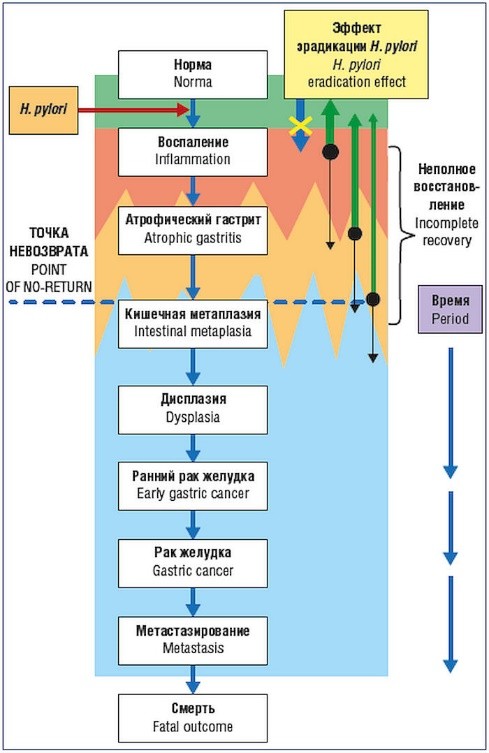
Fig. 3. The effect of H. pylori eradication on gastric carcinogenesis depending on the timing of its administration [Uno Y, 2019]
The reduction in gastric cancer incidence and mortality underscores the clinical significance of eradication therapy as the primary method for primary prevention in gastric carcinogenesis [7, 14, 15, 18, 22]. It has been noted that a decrease in H. pylori infection rates in our country correlates with a reduced incidence of peptic ulcer disease and gastric cancer [7]. However, the prevalence of H. pylori among the adult population remains quite high [1]. For instance, the average prevalence of H. pylori infection in Moscow was 37.06%, reaching a maximum of 45.45% in the 46-55 age group [2]. Thus, timely diagnosis and eradication of H. pylori infection, prior to the development of precancerous changes in the gastric mucosa, is the most effective measure for reducing the risk of severe complications in patients with chronic gastritis [1, 7, 14, 15].
Methods
A literature search for this review was conducted using domestic and international sources in the Russian Science Citation Index database with the following keywords: "CYP2C19 polymorphism," "proton pump inhibitor metabolism," "Helicobacter pylori eradication." The analysis of international sources was performed in the PubMed and ResearchGate databases using the keywords: "CYP2C19 polymorphism," "Metabolism of proton pump inhibitors," "Helicobacter pylori eradication." Publications were selected based on their titles and abstracts, resulting in 199 English-language publications meeting the search criteria. Forty-one publications most relevant to the research topic were analyzed for the final selection: the impact of CYP2C19 polymorphisms on H. pylori eradication rates in patients receiving proton pump inhibitors; the association of CYP2C19 polymorphism with the efficacy of proton pump inhibitors; the role of proton pump inhibitors in the treatment of peptic ulcer disease.
Results
A high prevalence of H. pylori-associated gastritis worldwide has been noted. It has been proven that atrophic gastritis affecting the gastric body and leading to hypochlorhydria is a significant risk factor for gastric cancer [7, 14]. According to global data, H. pylori infection is responsible for nearly 90% of distal gastric cancer cases [25]. In Russia, according to the P.A. Herzen Moscow Oncology Research Institute in 2023, the absolute number of newly diagnosed gastric cancer cases was 19,380, with a high mortality rate of 13,605 (70.2%); the average age was 68 years [4].
Currently, eradication therapy is considered a primary prevention measure that reduces the risk of gastric cancer [7, 14, 15, 18]. Analysis of available data also confirms the efficacy of H. pylori eradication as primary therapy for early-stage MALT-lymphoma [17]. According to clinical guidelines, all adult patients with detected H. pylori infection are recommended to undergo eradication therapy as an etiotropic treatment, regardless of the presence or absence of dyspeptic symptoms [7, 14].
Proton pump inhibitors (PPIs; synonyms: H+/K+-ATPase blockers, hydrogen pump blockers)—a class of drugs with an antisecretory effect—are used in H. pylori eradication regimens [5]. PPIs are a key component of H. pylori eradication regimens. They work by increasing gastric pH, thereby enhancing the stability and bioavailability of antibiotics in the stomach. Furthermore, PPIs also increase the sensitivity of H. pylori to antibiotics [26]. Currently, six PPI drugs are registered in the Russian Federation: omeprazole, lansoprazole, pantoprazole, rabeprazole, esomeprazole (the S-isomer of omeprazole), and dexlansoprazole (the R-enantiomer of lansoprazole).
Clinical guidelines for the treatment of H. pylori infection recommend using rabeprazole and esomeprazole to increase the efficacy of eradication therapy [7, 14]. However, as shown by Liu Y, et al. in a Chinese population, the most frequently prescribed PPI for H. pylori eradication was pantoprazole (38.69%), followed by rabeprazole (31.79%), and omeprazole as the third most frequently prescribed (20.93%) (Fig. 4) [27]. Data on PPI prescription statistics in H. pylori eradication regimens in the Russian Federation were not available; however, it is known that omeprazole remains the most popular PPI prescription in our country.
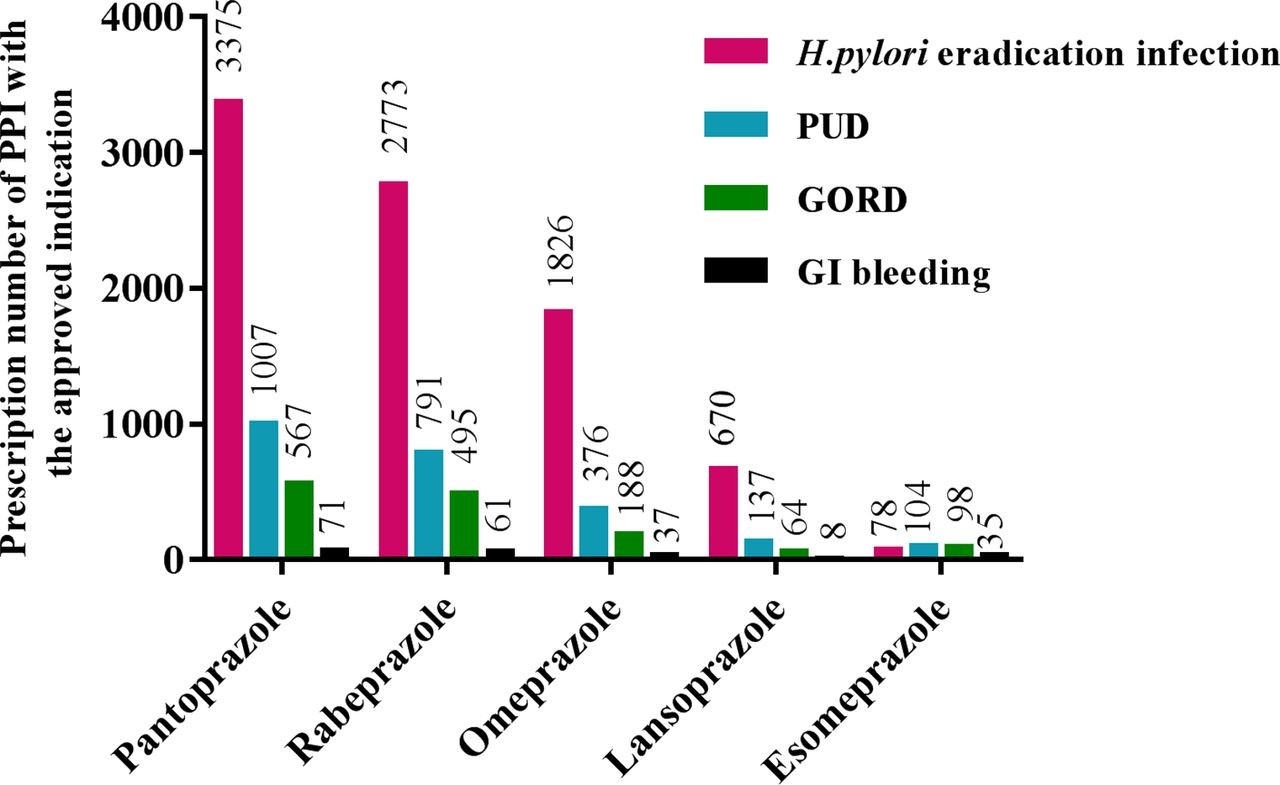
Fig. 4. Number of proton pump inhibitor prescriptions by indication (n=25,850) [Liu Y, et al. 2020]
Features of Proton Pump Inhibitor Metabolism
It is known that the optimal method for controlling gastric secretion is the blockade of the proton pump (H+/K+-ATPase) in the parietal cell, as the final step in hydrochloric acid (HCl) production [11]. PPIs are prodrugs and circulate in the systemic bloodstream in an inactive state; being weak bases, they accumulate in the secretory canaliculi of parietal cells, where, at a low pH, they are transformed into the active form—tetracyclic sulfenamide. This active form, in turn, irreversibly binds to the proton pump (H+/K+-ATPase), blocking HCl secretion [28].
Thus, sustained suppression of acid production is ensured by the irreversible blockade of the H+/K+-ATPase in the parietal cell. The pump is renewed through the synthesis of new proton pump molecules every 30-48 hours, which determines the duration of the therapeutic action of PPIs, despite their short half-life of only 1-2 hours [8].
PPI metabolism is carried out by various hepatic microsomal isoenzymes belonging to the cytochrome P450 system—primarily CYP2C19 and CYP3A4 [10, 12]. The CYP2C19 isoenzyme plays the most significant role in PPI metabolism and ultimately determines key pharmacokinetic parameters—maximum concentration (Cmax), area under the curve (AUC), and clearance—while the CYP3A4 isoenzyme is secondary in the biotransformation of PPIs [8, 14].
It is known that CYP2C19 is responsible for over 80% of the metabolism of omeprazole, lansoprazole, and pantoprazole. Dexlansoprazole is hydroxylated via CYP2C19 and oxidized to a sulfone via CYP3A4, whereas esomeprazole is metabolized by CYP2C19 to a lesser extent than omeprazole, accounting for 70% and 90% of its clearance, respectively [10, 28]. The metabolism of rabeprazole is less dependent on the activity of CYP2C19 and CYP3A4 (less than 20% of administered rabeprazole); the majority of it is converted non-enzymatically in the blood into a thioether, bypassing hepatic biotransformation [8, 9, 28].
The polymorphism of the CYP2C19 gene is considered a pharmacogenetic factor that determines the activity of the CYP2C19 isoenzyme, which, in turn, significantly influences the therapeutic efficacy of PPIs [10, 28, 29].
The Effect of CYP2C19 Genetic Polymorphism on the Pharmacokinetics of Proton Pump Inhibitors
The CYP2C19 gene has numerous allelic variants—approximately 37, including rare gene deletions [3, 6]. These alleles are classified into functional groups: normal function (CYP2C19*1), decreased function (CYP2C19*9), no function (CYP2C19*2 and *3), and increased function (CYP2C19*17) [8, 9].
A patient's metabolic phenotype for CYP2C19 is variable: ultra-rapid (UM), rapid (RM), normal (NM), intermediate (IM), and poor (PM) metabolizer [9, 13]. The most common allelic variant, CYP2C19*2, which encodes a non-functional protein, is found in about 25-35% of Europeans and Africans and approximately 60% of Asians [30]. The PM phenotype occurs in 2-5% of Europeans and Africans and in 15% of Asians [31]. The IM phenotype is found in about 30% of Europeans and Africans and 45-50% of Asians [9]. The most frequent variant in the population is individuals with two copies of the "wild-type" allele CYP2C19*1/*1, classified as NM.
Individuals with one "wild-type" and one increased-function allele (*1/*17) are RM—found in 30% of European and African populations and approximately 2-4% of Asians [9, 28]. Individuals with two copies of the increased-function allele (*17/*17) are classified as UM. However, in individuals with the diplotype (*2/*17), the increased-function allele (*17) does not compensate for the non-functioning allele (*2); such a variant is classified as IM (Table 1) [9, 28].
Table 1. Distribution frequency (%) of polymorphic CYP2C19 genes [30]
| CYP2C19 Genotype/Diplotype | Predicted CYP2C19 Phenotype | Caucasians | African Americans | Asians |
|---|---|---|---|---|
| *17/*17 | UM | 5 | 4 | ~1 |
| *1/*17 | RM | 27 | 24 | 2–16 |
| *1/*1 | NM | 42 | 39 | 23–45 |
| *1/*2, *1/*3 | IM | 27 | 32 | 46–47 |
| *2/*2, *2/*3, *3/*3 and other non-functional alleles | PM | 3 | 4 | 12–15 |
| Notes: UM — ultra-rapid metabolizer; RM — rapid metabolizer; NM — normal metabolizer; IM — intermediate metabolizer; PM — poor metabolizer. |
The predicted phenotype based on combinations of allelic functions is presented in Table 2 [28, 32].
Table 2. Predicted CYP2C19 phenotype based on the identified genotype
| Predicted CYP2C19 Phenotype | Genotype | CYP2C19 Diplotypes |
|---|---|---|
| Ultra-rapid metabolizer | An individual carrying two increased function alleles | *17/*17 |
| Rapid metabolizer | An individual carrying one normal function allele and one increased function allele | *1/*17 |
| Normal metabolizer | An individual carrying two normal functional alleles | *1/*1 |
| Probable intermediate metabolizer | An individual carrying one normal function allele and one decreased function allele, or one increased function allele and one decreased function allele, or two decreased function alleles | *1/*9, *9/*17, *9/*9 |
| Intermediate metabolizer | An individual carrying one normal function allele and one no function allele, or one increased function allele and one no function allele | *1/*2, *1/*3, *2/*17, *3/*17 |
| Probable poor metabolizer | An individual carrying one decreased function allele and one no function allele | *2/*9, *3/*9 |
| Poor metabolizer | An individual carrying two no function alleles | *2/*2, *3/*3, *2/*3 |
| Indeterminate metabolizer | An individual carrying one or two indeterminate function alleles | *1/*12, *2/*12, *12/*14 |
In a large meta-analysis on an Asian population, Zhao X, et al. analyzed the success of H. pylori eradication depending on CYP2C19 polymorphism in patients treated with different PPIs. A significantly lower cure rate was identified in individuals with the NM genotype compared to the IM genotype when treated with omeprazole (66.4% vs. 84.1%) and lansoprazole (76.1% vs. 85.6%), but not with rabeprazole, esomeprazole, or pantoprazole. The authors note that patients classified as IM and PM demonstrate significantly higher eradication therapy efficacy compared to NM patients [33].
Fu J, et al., in their study, also confirm their colleagues' conclusion that the PM genotype contributes to more effective H. pylori treatment in the Asian population [34].
Zihlif M, et al. conducted a study among Jordanian patients infected with H. pylori (n=141) who were genotyped for CYP2C19*2 and CYP2C19*17. All received triple or sequential therapy based on lansoprazole. Eradication rates were 84.6% and 64.5% in the patient groups with IM and RM phenotypes, respectively. According to the authors, no significant difference in treatment efficacy was found [35]. It should be noted that the methodology for assessing treatment control was weak, as it was conducted either via a fecal antigen test or based on patient reports of symptom improvement. It is important to mention that a large number of studies on the influence of CYP2C19 on PPI metabolism have been conducted on Asian populations, where the prevalence of the high-function CYP2C19*17 allele is significantly lower [3]. It is important to understand the frequency of the CYP2C19*17 allele in European populations, including the Russian Federation.
In a large domestic study, Sycheva DA et al. presented data on CYP2C19 gene polymorphism in Russian patients with peptic ulcer disease (n=971). The distribution of CYP2C19 genotypes was as follows: 317 (32.65%) patients were carriers of CYP2C19*1/*1, classified as RM; 386 (39.85%) patients with genotype CYP2C19*1/*17 or CYP2C19*17/*17 had the UM metabolic status; 251 (25.85%) were carriers of the IM phenotype; and 17 (1.75%) individuals had the PM phenotype. It was revealed that the frequency of the CYP2C19*17 allele in Russian patients is generally higher than in Swedish (18%) and Chinese (4%) populations; therefore, a low effect from standard PPI doses can be expected in this patient group. The authors emphasize that CYP2C19 pharmacogenetic testing is a useful tool for a personalized approach to PPI prescription [13].
Researchers from Canada, Scodellaro S, et al., evaluated the clinical significance of CYP2C19 metabolizer status for selecting PPI therapy in children with eosinophilic esophagitis (EoE) (n=69). The distribution of CYP2C19 metabolic activity was 36% UM/RM, 36% NM, and 28% IM/PM. The authors showed that the lack of response to PPI use in children with EoE is likely due to inadequate PPI dosing in individuals with UM and RM phenotypes. Determining CYP2C19 metabolic status when treating with first-generation PPIs leads to changes in tactics and increased pharmacotherapy efficacy. They recommend considering pharmacogenetic testing for personalizing PPI therapy and optimizing dosage [36].
In our opinion, the obtained results on PPI dose adjustment based on CYP2C19 metabolic activity can also be extrapolated to PPI prescribing regimens in H. pylori eradication therapy.
In their data analysis, Shah SC, et al. do not note an association between CYP2C19 variants and H. pylori treatment failure if eradication regimens used PPIs that are less dependent on CYP2C19 isoenzyme activity [37].
Numerous studies prove the relationship between the CYP2C19 genotype and the plasma concentration of first-generation PPIs, and the IM and PM metabolic statuses determine slower metabolism and, consequently, increase the concentrations of these PPIs in the blood, ultimately enhancing therapy efficacy [13, 28]. It has been established that the CYP2C19*17 allelic variant is associated with increased CYP2C19 enzyme activity and is a predictor of therapeutic failure when treated with PPIs [13, 28].
The Dutch Pharmacogenetics Working Group (DPWG) guidelines provide recommendations on dosing regimens for omeprazole, esomeprazole, pantoprazole, and lansoprazole depending on the CYP2C19 genotype. For rapid and ultra-rapid metabolizers (RM/UM), a dose increase of 400% for pantoprazole, 200% for lansoprazole, and 100-200% for omeprazole is indicated; for esomeprazole, a dose increase of 50-100% is recommended [40].
Conclusion
As early as 1994, the H. pylori bacterium was classified by the International Agency for Research on Cancer (IARC) as a Group I carcinogen, underscoring its key role in gastric cancer development. It has now been proven that the elimination of H. pylori can provide long-term protection against gastric cancer in high-risk groups [22, 38]. It should be noted that H. pylori eradication, as a primary prevention measure for gastric cancer, is most effective in infected individuals without pre-existing precancerous changes in the gastric mucosa [7, 14, 38].
PPIs are the main drug group included in H. pylori infection eradication regimens [29]. In turn, the therapeutic effect of PPIs depends on the polymorphism of the CYP2C19 gene, which influences the metabolism of this drug group [12, 28].
It has been determined that the AUC values differ significantly between rapid (RM/UM) and poor (PM) metabolizers for first-generation PPIs: 6.3-fold for omeprazole, 6.0-fold for pantoprazole, and 4.3-fold for lansoprazole, but only 1.9-fold for rabeprazole, due to the lesser role of CYP2C19 in its metabolism [28]. Obviously, this genetically determined dependence can predetermine the efficacy of PPI use in eradication regimens, which is particularly relevant for rapid and ultra-rapid (RM/UM) metabolizers [13, 28, 33].
A high frequency of the CYP2C19*17 allele has been demonstrated in the Russian population, which can be considered a predictor of low PPI efficacy [1, 8]. CYP2C19 pharmacogenetic testing can be a useful tool for optimizing PPI therapy, overcoming refractoriness, and ultimately increasing the efficacy of H. pylori treatment [10, 13].
Based on the obtained data, it can be stated with certainty that the genetic polymorphism of CYP2C19 should be considered when prescribing almost all PPIs. This applies to a lesser extent to rabeprazole, given the peculiarities of its metabolism [28, 39].
A personalized strategy for PPI prescription based on CYP2C19 pharmacogenetic testing can be a useful tool for practicing physicians to achieve the maximum effect when prescribing anti-Helicobacter therapy.
1. Andreev DN, Khurmatullina AR, Bordin DS, Maev IV. Trends in the prevalence of Helicobacter pylori infection among adults in Moscow: a systematic review and meta-analysis. Terapevticheskii Arkhiv (Ter. Arkh.). 2025;97(5):463-470. (In Russ.). doi: 10.26442/00403660.2025.05.203250.
2. Bordin DS, Kuznetsova ES, Stauver EE, et al. Epidemiology of Helicobacter pylori infection in the Russian Federation from 1990 to 2023: a systematic review. Russian Medical Inquiry. 2024;8(5):260-267. (In Russ.). doi: 10.32364/25876821-2024-8-5-3.
3. Ruta AV, Luchinina EV, Shelekhova TV, et al. Relationship between CYP2C19 genotypes and proton pump inhibitorsʹs pharmacokinetics and pharmacodynamics: review. South Russian Journal of Therapeutic Practice. 2024;5(1):15-22. (In Russ.). doi: 10.21886/2712-8156-2024-5-1-15-22.
4. Malignant Neoplasms in Russia in 2023 (Incidence and Mortality) / edited by A.D. Kaprin [et al.] Moscow: P.A. Herzen Moscow Research Institute of Oncology – branch of the National Medical Research Radiological Center of the Ministry of Health of the Russian Federation, 2024. 276 p. (In Russ.). ISBN 978-5-85502-298-8.
5. Tikhonov SV, Kareva EN, Serebrova SYu, et al. New achievements of pharmacology for practical medicine in prevention and therapy of acid-dependent diseases. Meditsinskiy Sovet. 2023;17(8):33-40. (In Russ.)]. doi: 10.21518/ms2023-133.
6. Perfilova KM, Butina TYu, Neumoina NV, et al. Polymorphism of the CYP2C19 gene in newly diagnosed and persistent Helicobacter pylori infection. In: Infectious diseases in the modern world: evolution, current and future threats. Moscow, 2023. Pp. 173-174. (In Russ.).
7. Ivashkin VT, Lapina TL, Maev IV, et al Clinical Practice Guidelines of Russian Gastroenterological Association, Scientific Society for the Clinical Study of Human Microbiome, Russian Society for the Prevention of Non-Communicable Diseases, Interregional Association for Clinical Microbiology and Antimicrobial Chemotherapy for Н. pylori Diagnostics and Treatment in Adults. Russian Journal of Gastroenterology, Hepatology, Coloproctology. 2022;32(6):72-93. (In Russ.). doi: 10.22416/1382-4376-202232-6-72-93.
8. Sychev DA, Abdullaev ShP, Ametov AS. [et al.]]; ed by DA Sychev. Moscow: Triad Publ., 2021. (In Russ.). ISBN 978-5-94789-982-5.
9. Kareva EN. Pharmacogenetic management concerning efficacy and safety of proton-pump inhibitors. RMJ. 2021;29(4):68-73. (In Russ.).
10. Neumoina MI, Shmakova TV, Perfilova KM, et al. Effects of CYP2C19 Polymorphism on Metabolism and Effectiveness of Proton Pump Inhibitors: A Review of Clinical and Laboratory Studies. Public Health and Life Environment – PH&LE. 2021;(4):66-73. (In Russ.). doi: 10.35627/2219-5238/2021-337-4-66-73.
11. Ivashkin VT, Maev IV, Tsar’kov PV, et al. Diagnosis and Treatment of Peptic Ulcer in Adults (Clinical Guidelines of the Russian Gastroenterological Association, Russian Society of Colorectal Surgeons and the Russian Endoscopic Society). Russian Journal of Gastroenterology, Hepatology, Coloproctology. 2020;30(1):49-70. (In Russ.). doi: 10.22416/1382-4376-202030-1-49-70.
12. Denisenko NP, Sychev DA, Sizova ZM, et al. CYP3A and CYP2C19 activity in urine in relation to CYP3A4, CYP3A5, and CYP2C19 polymorphisms in Russian peptic ulcer patients taking omeprazole. Pharmgenomics Pers Med. 2018 Jun 18;11:107-112. doi: 10.2147/PGPM.S159708.
13. Denisenko NP, Sychev DA, Sizova ZhM, et al. Effect of CYP2C19 genetic polymorphisms on the efficacy of proton pump inhibitor-based triple eradication therapy in slavic patients with peptic ulcers: a meta-analysis. Eksperimental’naya i Klinicheskaya Gastroenterologiya. 2016;135(11):11-16. (In Russ.).
14. Malfertheiner P, Megraud F, Rokkas T, et al.; European Helicobacter and Microbiota Study group. Management of Helicobacter pylori infection: the Maastricht VI/Florence consensus report. Gut. 2022 Aug 8:gutjnl-2022-327745. doi: 10.1136/gutjnl-2022-327745.
15. Rugge M, Genta RM, Malfertheiner P, et al; RE.GA.IN; RE GA IN. RE.GA.IN.: the Real-world Gastritis Initiative-updating the updates. Gut. 2024 Feb 23;73(3):407-441. doi: 10.1136/gutjnl-2023-331164.
16. Shirani M, Pakzad R, Haddadi MH, et al. The global prevalence of gastric cancer in Helicobacter pylori-infected individuals: a systematic review and meta-analysis. BMC Infect Dis. 2023 Aug 19;23(1):543. doi: 10.1186/s12879023-08504-5.
17. Lemos FFB, de Castro CT, Calmon MS, et al. Effectiveness of Helicobacter pylori eradication in the treatment of early-stage gastric mucosa-associated lymphoid tissue lymphoma: An up-to-date meta-analysis. World J Gastroenterol. 2023 Apr 14;29(14):2202-2221. doi: 10.3748/wjg.v29.i14.2202.
18. Ford AC, Yuan Y, Moayyedi P. Long-Term Impact of Helicobacter pylori Eradication Therapy on Gastric Cancer Incidence and Mortality in Healthy Infected Individuals: A Meta-Analysis Beyond 10 Years of Follow-Up. Gastroenterology. 2022 Sep;163(3):754-756.e1. doi: 10.1053/j.gastro.2022.05.027.
19. Global Burden of Disease Cancer Collaboration; Fitzmaurice C, Abate D, Abbasi N, et al. Global, Regional, and National Cancer Incidence, Mortality, Years of Life Lost, Years Lived With Disability, and Disability-Adjusted Life-Years for 29 Cancer Groups, 1990 to 2017: A Systematic Analysis for the Global Burden of Disease Study. JAMA Oncol. 2019 Dec 1;5(12):1749-1768. doi: 10.1001/jamaoncol.2019.2996.
20. De Francesco V, Manta R, Marmo R, et al. Efficacy of Helicobater pylori eradication in patients with diffuse large B-cell lymphoma of the stomach: A systematic review. Eur J Haematol. 2022 Dec;109(6):643-647. doi: 10.1111/ejh.13871.
21. Mülder DT, Hahn AI, Huang RJ, et al. Prevalence of Gastric Precursor Lesions in Countries With Differential Gastric Cancer Burden: A Systematic Review and Meta-analysis. Clin Gastroenterol Hepatol. 2024 Aug;22(8):1605-1617. e46. doi: 10.1016/j.cgh.2024.02.023.
22. Wu Z, Tang Y, Tang M, et al. The relationship between the eradication of Helicobacter pylori and the occurrence of stomach cancer: an updated metaanalysis and systemic review. BMC Gastroenterol. 2025 Apr 21;25(1):278. doi: 10.1186/s12876-025-03886-z.
23. Zhu F, Zhang X, Li P, Zhu Y. Effect of Helicobacter pylori eradication on gastric precancerous lesions: A systematic review and meta-analysis. Helicobacter. 2023 Dec;28(6):e13013. doi: 10.1111/hel.13013.
24. Malfertheiner P, Bornschein J, Selgrad M. Role of Helicobacter pylori infection in gastric cancer pathogenesis: a chance for prevention. J Dig Dis. 2010 Feb;11(1):2-11. doi: 10.1111/j.1751-2980.2009.00408.x.
25. Thrift AP, Wenker TN, El-Serag HB. Global burden of gastric cancer: epidemiological trends, risk factors, screening and prevention. Nat Rev Clin Oncol. 2023 May;20(5):338-349. doi: 10.1038/s41571-023-00747-0. Epub 2023 Mar 23. PMID: 36959359.
26. Thuy LLT, Nguyen LT, Vu HA, et al. Effect of MDR1 C3435T and CYP2C19 genetic polymorphisms on the outcome of Helicobacter pylori eradication treatment in children with gastritis and peptic ulcer, Vietnam. BMC Pediatr. 2024 Jul 19;24(1):464. doi: 10.1186/s12887-024-04581-w.
27. Liu Y, Zhu X, Li R, et al. Proton pump inhibitor utilisation and potentially inappropriate prescribing analysis: insights from a single-centred retrospective study. BMJ Open. 2020 Nov 26;10(11):e040473. doi: 10.1136/bmjopen2020-040473.
28. Lima JJ, Thomas CD, Barbarino J, et al. Clinical Pharmacogenetics Implementation Consortium (CPIC) Guideline for CYP2C19 and Proton Pump Inhibitor Dosing. Clin Pharmacol Ther. 2021 Jun;109(6):1417-1423. doi: 10.1002/ cpt.2015.
29. Chenchula S, Atal S, Jhaj R, Uppugunduri CRS. Implementing pharmacogenetic testing to optimize proton-pump inhibitors use among Indian population based on CPIC-CYP2C19-PPI dosing guidelines: The need of the hour. Indian J Pharmacol. 2024 Jul 1;56(4):277-284. doi: 10.4103/ijp.ijp_198_24.
30. El Rouby N, Lima JJ, Johnson JA. Proton pump inhibitors: from CYP2C19 pharmacogenetics to precision medicine. Expert Opin Drug Metab Toxicol. 2018 Apr;14(4):447-460. doi: 10.1080/17425255.2018.1461835.
31. Weitzel KW, Elsey AR, Langaee TY, et al. Clinical pharmacogenetics implementation: approaches, successes, and challenges. Am J Med Genet C Semin Med Genet. 2014 Mar;166C(1):56-67. doi: 10.1002/ajmg.c.31390.
32. Pharmacogenomics Knowledgebase (PharmGKB). Gene-specific information Tables for CYP2C19. https:www.pharmgkb.org/page/cyp2c19 Ref Materials. Accessed May 21, 2025.
33. Zhao X, Zhang Z, Lu F, et al. Effects of CYP2C19 genetic polymorphisms on the cure rates of H. pylori in patients treated with the proton pump inhibitors: An updated meta-analysis. Front Pharmacol. 2022 Oct 6;13:938419. doi: 10.3389/fphar.2022.938419.
34. Fu J, Sun CF, He HY, et al. The effect of CYP2C19 gene polymorphism on the eradication rate of Helicobacter pylori by proton pump inhibitorscontaining regimens in Asian populations: a meta-analysis. Pharmacogenomics. 2021 Aug;22(13):859-879. doi: 10.2217/pgs-2020-0127.
35. Zihlif M, Bashaireh B, Rashid M, et al. Effect of major CYP2C19 genetic polymorphisms on Helicobacter pylori eradication based on different treatment regimens. Biomed Rep. 2022 Jan;16(1):2. doi: 10.3892/br.2021.1485.
36. Shah SC, Tepler A, Chung CP, et al. Host Genetic Determinants Associated With Helicobacter pylori Eradication Treatment Failure: A Systematic Review and Meta-analysis. Gastroenterology. 2021 Nov;161(5):1443-1459. doi: 10.1053/j.gastro.2021.07.043.
37. Scodellaro S, Bortolin KA, Marcon MA, et al. Optimizing proton-pump inhibitor therapy in paediatric eosinophilic esophagitis through CYP2C19 pharmacogenetic testing. J Can Assoc Gastroenterol. 2025 Mar 13;8(3):89-96. doi: 10.1093/jcag/gwaf003.
38. Yan L, Chen Y, Chen F, et al. Effect of Helicobacter pylori Eradication on Gastric Cancer Prevention: Updated Report From a Randomized Controlled Trial With 26.5 Years of Follow-up. Gastroenterology. 2022 Jul;163(1):154-162. e3. doi: 10.1053/j.gastro.2022.03.039.
39. Ferraz AML, Bandarra S, Mascarenhas P, et al. Characterization of CYP2C19*17 Polymorphism in a Portuguese Population Sample Relevant for Proton Pump Inhibitor Therapy—A Pilot Study. Med. Sci. Forum. 2021;5(1):19. doi: 10.3390/msf2021005019.
40. Swen JJ, Nijenhuis M, de Boer A, et al. Pharmacogenetics: from bench to byte--an update of guidelines. Clin Pharmacol Ther. 2011 May;89(5):662-73. doi: 10.1038/clpt.2011.34.
Alexey V. Boyarko — PhD, Сand. Sci. (Med.), gastroenterologist of the FSBF FRCC of the FMBA.
Moscow
The authors declare no conflict of interest
Irina I. Sinitsina — PhD, Dr. Sci. (Med.), Associate Professor, Professor of the Department of Clinical Pharmacology and Therapy named after Academician B. E. Votchal, Russian Medical Academy of Continuous Professional Education.
Moscow
The authors declare no conflict of interest
The Role of H. pylori: Helicobacter pylori is a highly prevalent infection and a primary cause of chronic gastritis, peptic ulcer disease, and gastric cancer. It is classified as a Group I carcinogen.
The Process of Carcinogenesis: The long-term persistence of H. pylori initiates a cascade of pathological changes in the gastric mucosa—from inflammation to atrophy, metaplasia, dysplasia, and ultimately carcinoma (the Correa cascade).
The Importance of Eradication: Timely eradication of H. pylori is an effective measure for the primary prevention of gastric cancer, capable of preventing or reversing precancerous lesions.
The Role of PPIs: Proton pump inhibitors (PPIs) are a key component of eradication therapy, enhancing the efficacy of co-administered antibiotics.
The Impact of Pharmacogenetics: The metabolism of most PPIs (e.g., omeprazole, lansoprazole, pantoprazole) is dependent on the cytochrome P450 enzyme CYP2C19. Genetic polymorphisms of the CYP2C19 gene determine the rate of their metabolism and, consequently, their therapeutic efficacy.
Focus on the Russian Population: The article highlights data indicating a high prevalence of the CYP2C1917 allele (conferring increased enzyme function) within the Russian population. This suggests a predisposition to suboptimal efficacy of standard PPI doses in a substantial proportion of patients.
Comparative Analysis of PPIs: It emphasises that rabeprazole is the least affected by CYP2C19 polymorphism, whereas the pharmacokinetics and efficacy of omeprazole, lansoprazole, and pantoprazole are significantly influenced.
Specific Recommendations: The article discusses international guidelines (e.g., from the Dutch Pharmacogenetics Working Group - DPWG) that recommend dose escalation for specific PPIs in patients who are rapid (RM) or ultra-rapid (UM) metabolisers.
A Case for Personalisation: It synthesises evidence supporting the use of CYP2C19 pharmacogenetic testing (PGT) as a practical tool for overcoming treatment failure, particularly in populations with a high frequency of rapid metaboliser phenotypes.
Integration of PGT into Routine Care: Pharmacogenetic testing for CYP2C19 polymorphisms could become a standard pre-therapeutic assessment prior to initiating eradication therapy, especially in regions with a high prevalence of the *17 allele, such as Russia.
Personalised PPI Selection and Dosing:
For patients with RM/UM phenotypes, the rationale would be established for either prescribing higher doses of first-generation PPIs or, more favourably, selecting rabeprazole or esomeprazole due to their lower dependency on CYP2C19.
For patients with IM/PM phenotypes, standard PPI doses would be confirmed as adequate.
Improved Eradication Efficacy: This personalised approach would facilitate the selection of maximally effective first-line therapy, thereby reducing the risk of treatment failure, the development of antibiotic resistance, and the progression of precancerous conditions.
Evolution of Clinical Guidelines: National clinical guidelines may be updated to include sections on pharmacogenetics to optimise anti-Helicobacter therapy regimens.
Boyarko A.V., Sinitsina I.I. The effect of the genetic polymorphism of CYP2C19 on the effectiveness of eradication of Helicobacter pylori infection, a key factor in gastric carcinogenesis. Pharmacogenetics and Pharmacogenomics. 2025;(2):5-13. (In Russ.) https://doi.org/10.37489/2588-0527-2025-2-5-13. EDN: HTYGVC
НАШИ КНИГИ



Другие журналы
"Издательства ОКИ"




ПАРТНЕРЫ


 Email this article (Login required)
Email the author (Login required)
Email this article (Login required)
Email the author (Login required)  Post a Comment (Login required)
121357, Moscow, st. Vatutina, 4, building 2, apt. 22
LLC "Izdatelstvo OKI"
Tel. + 7 (916) 986-04-65
Email: eva88@list.ru