Contents
Scroll to:
https://doi.org/10.37489/2588-0527-0006
EDN: EEXLOE
Scroll to:
Objective. The study aimed to assess pharmacogenetic characteristics of prescribed versus taken pharmacotherapy in patients with cardiovascular diseases (CVD).
Materials and methods. A total of 813 electronic health records (EHRs) were selected from available electronic medical documents (n=8791) of CVD patients, using probability cluster sampling method. Unstructured text from the EHRs (n=813) was used to create a database characterizing gender, age, ICD-10 codes, prescribed and taken pharmacotherapy, international nonproprietary names (INNs), and pharmacogenes corresponding to each case of pharmacotherapy. Pharmacogenetic drugs and associated pharmacogenes were identified using database ClinPGx.org.
Results. Patients aged 62 years (IQR 56–68 years); 70.2 % men. The list of prescribed drugs comprised 347 INNs; the list of taken drugs comprised 253 INNs; both lists comprised 435 INNs, suggesting a mismatch between the lists. Numbers of INNs per document ranged from 1 to 23 for taken drugs (Me=6, IQR 3–9; n=385) and from 1 to 20 for prescribed drugs (Me=6, IQR 4–9; n=724), p > 0.05. The study identified 1120 pharmacogenes. Number of associated pharmacogenes per INN did not significantly differ between the lists of prescribed and taken drugs (1, IQR 0–7). However, the differences were found between the incidence rates of individual pharmacogenes. Pharmacogenes UGT1A9, UGT1A3, AGTR1, KIF6, and SCAP were significantly more often associated with prescribed drugs (p <0.05); ABCB1, NOS3, GNB3, ADRB1, and ADD1 were significantly more often associated with taken drugs (p <0.05).
Conclusion. The study demonstrated a mismatch between the pharmacogenetic profiles of prescribed versus taken pharmacotherapy in CVD. Drug-gene interactions may affect treatment adherence.
Anfinogenova N.D. Pharmacogenetic characteristics of prescribed versus taken drug therapy in cardiovascular patients. Pharmacogenetics and Pharmacogenomics. 2026;(1):47-58. (In Russ.) https://doi.org/10.37489/2588-0527-0006. EDN: EEXLOE
Treatment adherence is a key focus of the patient-centered medicine and pharmacy concept in the Russian Federation [1]. Treatment adherence plays an important role in maintaining high patient quality of life and reducing the risk of hospitalizations associated with cardiovascular diseases (CVD) [2]. Clinically significant gene polymorphisms whose products affect drug pharmacokinetics, pharmacodynamics, efficacy, and toxicity may increase the risk of adverse drug-drug and drug-gene interactions, especially in the presence of multimorbidity and polypharmacy [3–6]. Current pharmacogenetic testing methods contribute to improving the efficacy and safety of anticoagulant therapy in patients with prosthetic heart valves and other CVDs [7–9]. Pharmacogenetic testing can predict response to angiotensin-converting enzyme (ACE) inhibitors [10], statins [11], angiotensin II receptor blockers (ARBs, "sartans") [12], beta-blockers [13], antidiabetic drugs [14], nonsteroidal anti-inflammatory drugs (NSAIDs) [15], and other drug groups. Pharmacogenetic research represents an interdisciplinary field that allows integrating various approaches to the development of patient-centered medicine and pharmacy.
However, Russia lacks official recommendations regarding pharmacogenetic testing. Pharmacogenetic panels have not been implemented at either the national or regional levels. The development and implementation of pharmacogenetic panels are complicated by the vast geography and significant ethnic diversity of the population residing in the Russian Federation. At the same time, it is important to consider regional characteristics of pharmacogenetic drug use, as there are reports of significant geographic and ethnic differences in their efficacy and safety [16, 17].
Previously, we demonstrated a high frequency of pharmacogenetic drug use in a population sample recruited via SMS invitations. Correlation analysis revealed statistically significant associations between pharmacogenetic burden and the profile of adverse drug reactions among respondents receiving pharmacotherapy [18]. Another study found a significant mismatch between prescribed and taken medication lists in a cohort of older CVD patients, which was interpreted as a marker of low treatment adherence [19]. High rates of serious drug-drug interactions and potentially high pharmacogenetic burden have been proposed as factors explaining the observed discrepancy between prescribed and taken pharmacotherapy lists [19]. Thus, pharmacogenetic research may focus both on patient genetic and phenotypic characteristics [3–6] and on the pharmacogenetic profiles of used drugs and their combinations [18].
In available Russian and international literature, no studies provide a comparative assessment of the pharmacogenetic characteristics of prescribed versus taken drugs in cardiology patients at the cohort level. Such a study could serve as an additional source of real-world data on pharmacogenes most actively involved in the "negative natural selection" of drugs — that is, influencing which drugs are eliminated from the pool of prescribed medications due to their pharmacogenetic characteristics.
The objective of this study was to provide a comparative assessment of the pharmacogenetic characteristics of prescribed versus taken pharmacotherapy in CVD patients using electronic health records stored in a regional health information system.
This observational cross-sectional study was conducted in accordance with good clinical practice standards and the Declaration of Helsinki. The study protocol was approved by the Biomedical Ethics Committee of the institution where the work was performed (Protocol No. 230 dated 06/28/2022).
The object of the study were electronic medical documents of patients with a confirmed diagnosis of CVD aged 18 years and older. The electronic health records of patients included in the study documented visits from January 2019 to December 2024. From available electronic medical documents (n=8791), 813 records were selected for analysis using probability cluster sampling. The study design is presented in Fig. 1.
Assessment of pharmacotherapy. To assess pharmacotherapy patterns at the cohort level, two lists of international nonproprietary names (INNs) corresponding to drugs were generated: a list of prescribed INNs (P-list) and a list of taken INNs (T-list). The ClinPGx database (formerly PharmGKB; https://www.clinpgx.org/) was used as the primary source of information to identify pharmacogenetic drugs and the pharmacogenes associated with their use. The identification of pharmacogenes whose clinically significant polymorphic variants may require dose adjustment and/or affect drug efficacy, metabolism/pharmacokinetics, toxicity, and pharmacodynamics was also performed using the ClinPGx database. These properties were determined for each pharmacogene.
Statistical analysis. Statistical data processing was performed using Microsoft Excel 2010 and STATISTICA 10 software. Figures were created using STATISTICA 10, Microsoft Excel 2010, and Adobe Illustrator. The Kolmogorov–Smirnov and Shapiro–Wilk tests were used to assess the normality of variable distributions. Data are presented as percentages, absolute numbers, probabilities, and medians with interquartile range (IQR), where appropriate. For clarity, data in Figs. 2 and 3 are presented in normalized form because the number of identified INNs and pharmacogenes inherently differed between lists. To assess the significance of differences between variables with non-normal distribution, the nonparametric Mann–Whitney U test was applied. Categorical variables were compared using the chi-square test with 2 × 2 contingency tables. P-values <0.05 were considered statistically significant.
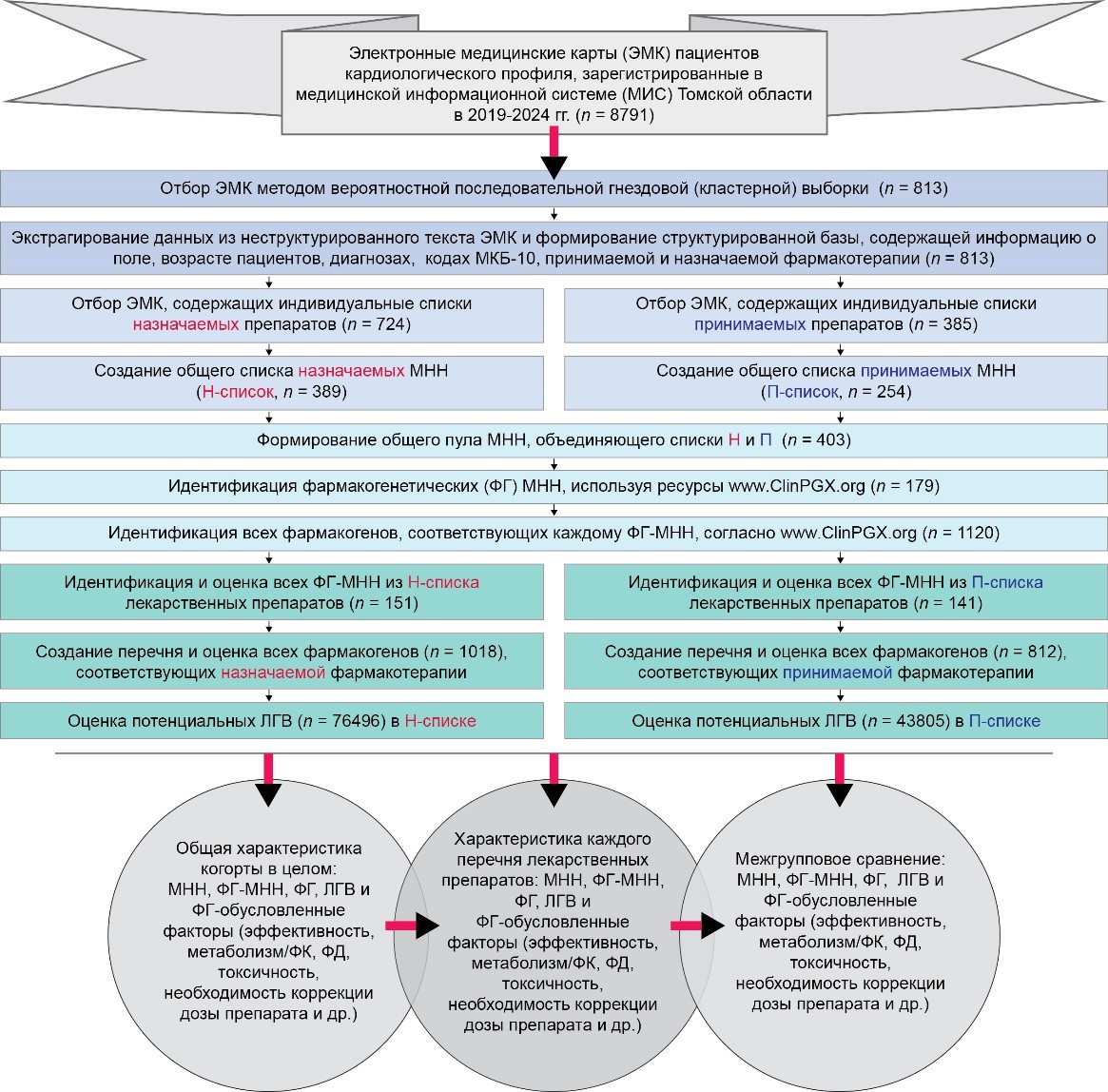
Figure 1. Study flow chart
Notes: EHRs — electronic health records; INN — international nonproprietary names; DGI — drug-gene interactions; PGx — pharmacogenetic; P-list — list of prescribed drugs; T-list — list of taken drugs; PD — pharmacodynamics; PK — pharmacokinetics
Sample characteristics. Of the 813 electronic health records included in the study, 70.2% of documents belonged to men and 29.8% to women. The median patient age was 62 years (IQR: 56–68 years). The most common ICD codes were I20.8 (n=126), I11.9 (n=107), I25.2 (n=64), I25.8 (n=59), and I67.8 (n=36). In total, the electronic medical documents contained information on 220 ICD-10 codes. Most electronic health records (n=724, 89.1%) contained information on prescribed drugs. Less than half of the electronic health records (n=401, 47.4%) contained detailed information on taken pharmacotherapy. The P-list included 347 INNs; the T-list included 253 INNs; both lists combined comprised 435 INNs, indicating a substantial mismatch between the lists.
Pharmacotherapy patterns. In electronic health records with documented pharmacotherapy, the number of taken and prescribed INNs per document ranged from 1 to 23 (median 6, IQR 3–9; n=385) and from 1 to 20 (median 6, IQR 4–9; n=724), respectively, p >0.05. The five most frequently prescribed INNs were (in descending order) aspirin, atorvastatin, bisoprolol, torasemide, and omeprazole. The five most frequently taken INNs were (in descending order) bisoprolol, aspirin, atorvastatin, omeprazole, and torasemide.
The five most common drugs whose frequency in the list of prescribed drugs significantly exceeded that in the list of taken drugs were nitroglycerin, captopril, dapagliflozin, trimetazidine, and moxonidine (p <0.05). The five most common drugs whose frequency in the list of taken drugs was significantly higher than in the list of prescribed drugs were spironolactone, metformin, losartan, digoxin, and enalapril (p <0.05) (Fig. 2). Polypharmacy rates did not differ significantly between the lists of prescribed and taken drugs. At the same time, comparative analysis of drug lists taken by men and women showed that the rate of major polypharmacy (taking 5 or more drugs) in men significantly exceeded the corresponding rate in women (p <0.05).
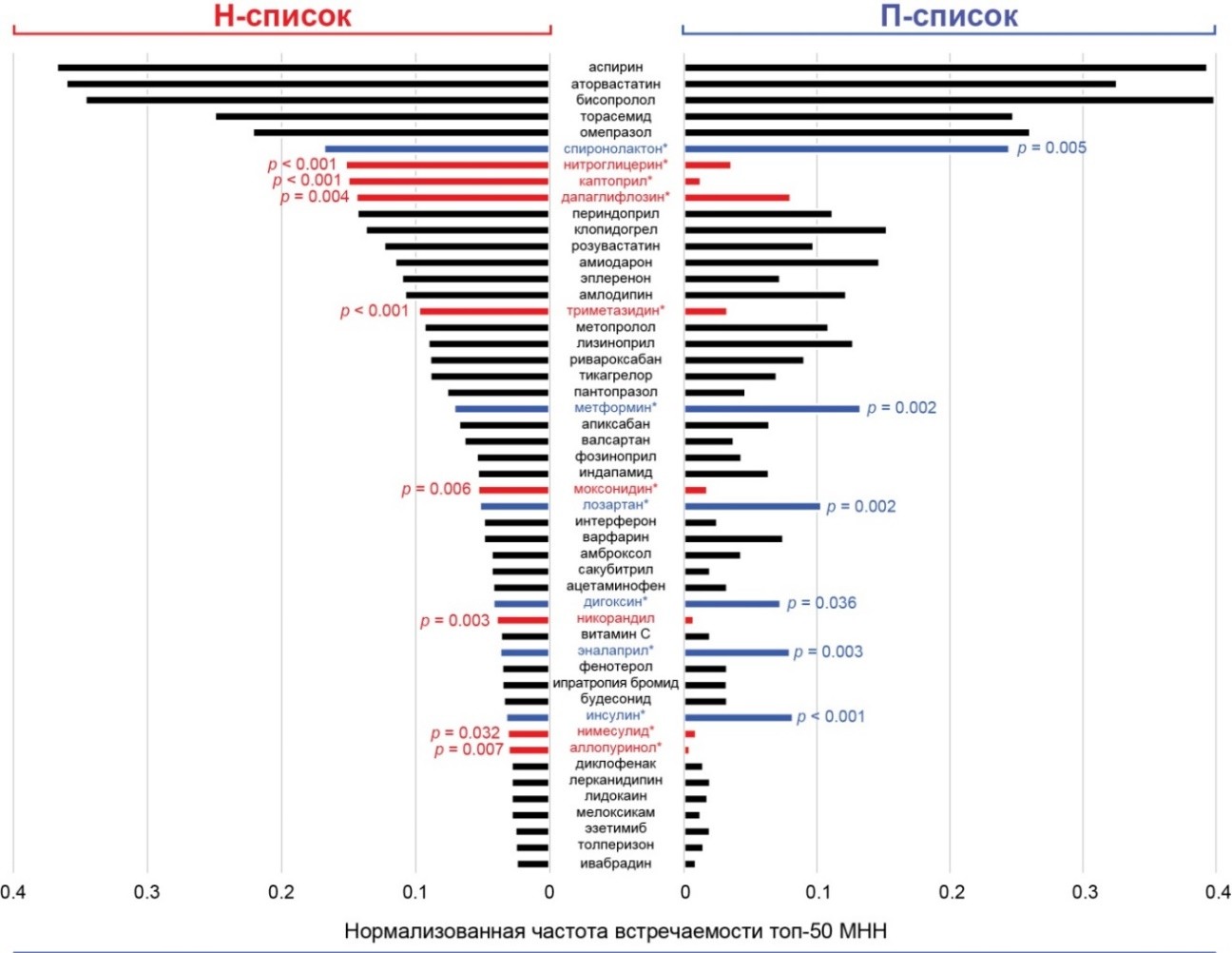
Figure 2. Top-50 most common prescribed and taken drugs in cardiovascular patients
Asterisks indicate significant differences in normalized frequencies of individual INNs (p <0.05; **p <0.01; **p <0.001).
Notes: P-list — list of prescribed drugs; T-list — list of taken drugs
Pharmacogenetic characteristics of therapy. At the cohort level, 179 pharmacogenetic drugs (n=151 in the P-list; n=141 in the T-list) were identified, associated with 1120 pharmacogenes (n=1018 in the P-list; n=812 in the T-list) involved in 120,390 drug-gene interactions (n=76,496 in the P-list; n=43,805 in the T-list) (Fig. 1). The median number of pharmacogenes per INN did not differ between lists (median 1, IQR: 0-7, p >0.05); the absolute number of pharmacogenes ranged from 0 to 139 per INN.
The five most common pharmacogenes were CYP3A5, ACE, CYP2D6, ABCB1, CYP2C19 (in descending order) in the P-list and ABCB1, ACE, CYP3A5, CYP2C19, CYP2D6 (in descending order) in the T-list (Fig. 3).
In total, 31 pharmacogenes were significantly more often associated with the P-list (p <0.05), and 171 pharmacogenes were significantly more often associated with the T-list (p <0.05). Among the top 100 most common pharmacogenes, drug-gene interactions involving UGT1A9, UGT1A3, AGTR1, KIF6, and SCAP were statistically significantly more frequent in the P-list compared to the T-list (p <0.05). Drug-gene interactions involving ABCB1, NOS3, GNB3, ADRB1, ADD1, and ADRB2 were significantly more frequent in the T-list compared to the P-list (p <0.05) (Fig. 3).
The five most common gene superfamilies were identical between lists (CYP, UGT, ABCB, SLC, HTR).
Given the observed differences in the frequency of a number of pharmacogenes between the lists, a comparison was made of the properties of these pharmacogene groups according to the following five characteristics: (1) the need for drug dose adjustment; the ability of the pharmacogene to affect (2) efficacy, (3) metabolism/pharmacokinetics, (4) toxicity, and (5) pharmacodynamics of the drug. It turned out that for all these properties, except for impact on pharmacodynamics, the group of pharmacogenes significantly more often associated with the P-list surpassed the group of pharmacogenes prevalent in the T-list (Fig. 4).
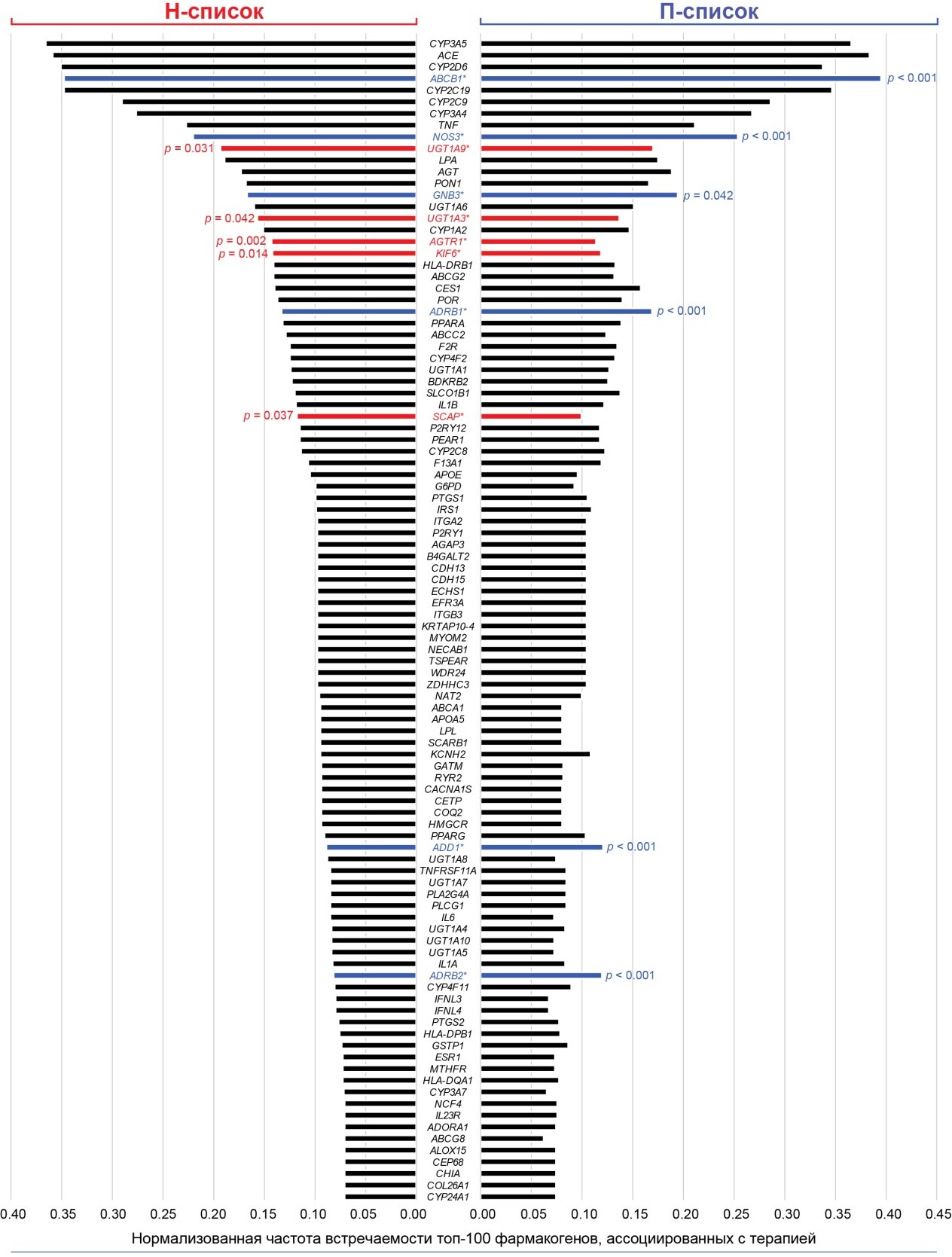
Figure 3. Top-100 most common pharmacogenes associated with prescribed (left) and taken (right) drugs in cardiovascular patients
Asterisks indicate significant differences in normalized frequencies of individual pharmacogenes (p <0.05; **p <0.01; **p <0.001).
Notes: P-list — list of prescribed drugs; T-list — list of taken drugs
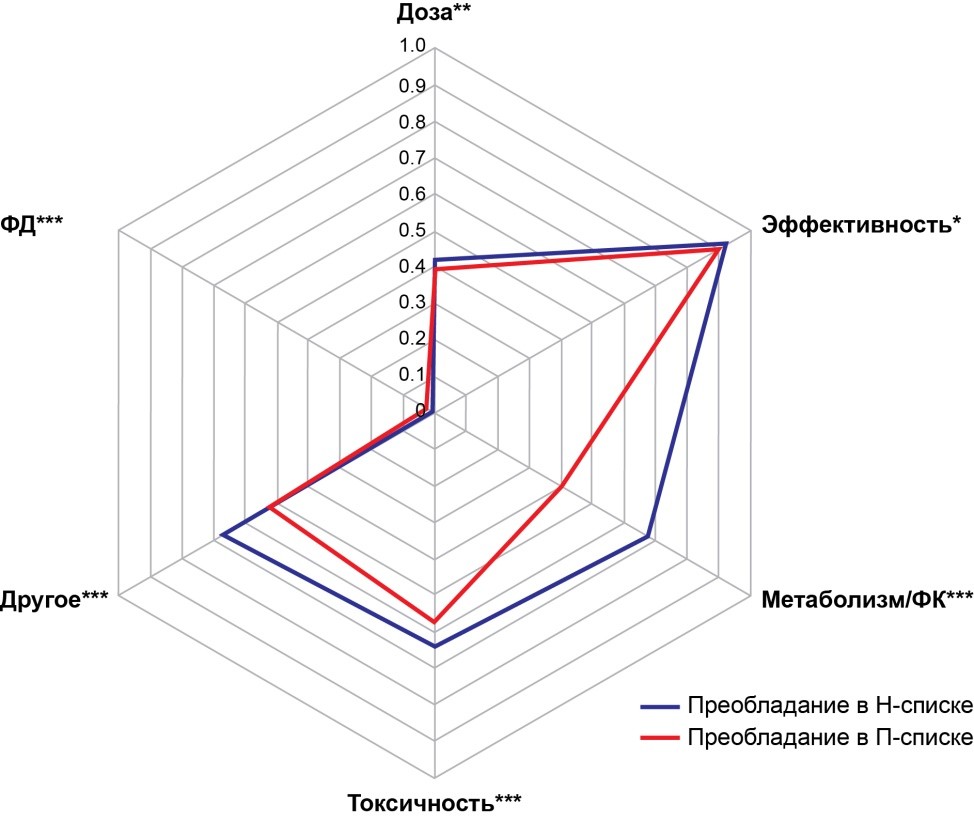
Figure 4. Comparative characteristics of pharmacogenes whose clinically significant variants could potentially require dose adjustment (axis 'Dose') and/or affect efficacy (axis 'Efficacy'), metabolism/pharmacokinetics (axis 'Metabolism/PK'), toxicity (axis 'Toxicity'), and pharmacodynamics (axis 'PD')
The data are presented for pharmacogenes that were statistically significantly more common either in the list of prescribed drugs (P-list, blue line) or in the list of taken drugs (T-list, red line). Asterisks indicate significant differences between study groups of pharmacogenes (p <0.05; **p <0.01; **p <0.001).
At the population level, thousands of pharmacogenes are known to influence the effects of pharmacotherapy [20]. A study of online survey results from over two thousand respondents — residents of the Russian Federation — using the ClinPGx database (formerly PharmGKB) identified 839 pharmacogenes involved in responses to drug therapy at the population level in several Russian regions [18]. Although the approximate population frequency of the most common clinically significant polymorphisms of various pharmacogenes is known, the processes influencing treatment adherence from a pharmacogenetic perspective remain insufficiently studied.
This study provides the first comparative assessment of the pharmacogenetic characteristics of pharmacotherapy based on the analysis of two drug lists (prescribed and taken) in a cohort of cardiology patients. The prevalence of pharmacogenetic drug use reached 95% and 99% for prescribed and taken drugs, respectively. In total, our study identified 1120 pharmacogenes associated with pharmacotherapy at the cohort level of cardiology patients, regardless of whether we assessed the prescribed or taken drug lists. Among these, 811 pharmacogenes were involved in the effects of taken therapy, while 1007 pharmacogenes corresponded to the prescribed therapy profile. We characterized for the first time the differences in the pharmacogenetic profiles of prescribed and taken pharmacotherapy and compared the frequencies of specific drug-gene interactions identified when comparing data from the prescribed and taken drug lists.
Investigating the pharmacogenetic characteristics of drug therapy in cardiology patients is an urgent task, as CVD remains a common chronic non-communicable pathology [21] affecting over half a billion people worldwide and causing the majority of deaths from chronic non-communicable diseases [22]. According to the literature, drug therapy for CVD is often associated with clinically significant drug-gene interactions. Drug-gene interactions can lead to life-threatening angioedema with the use of ACE inhibitors [23]. Dry cough associated with enalapril use is determined by patient genetic characteristics [24]. Clinically significant polymorphic variants of the CYP2C9 gene in hypertensive patients affect the antihypertensive and uricosuric effects of losartan [25]. Drug-gene interactions may also lead to moderate and mild adverse drug reactions, which, nevertheless, can affect treatment adherence.
Our data are consistent with the results of other researchers showing that nearly 80% of patients receiving pharmacotherapy are exposed to pharmacogenetic drugs whose effects depend on genetic variants mentioned both in pharmacogenetic guidelines and in the scientific literature [3–6].
Interestingly, in our study, the five most common gene superfamilies were identical between lists, including superfamilies such as CYP, UGT, ABCB, SLC, and HTR. The most common pharmacogenes were CYP3A5, ACE, CYP2D6, ABCB1, and CYP2C19 (in descending order) in the list of prescribed drugs, and the same genes but in a different sequence — ABCB1, ACE, CYP3A5, CYP2C19, and CYP2D6 (in descending order) — in the list of taken drugs. The obtained data showed very significant similarity with the results of a study on the pharmacogenetic characteristics of drug therapy in a random sample of respondents at the population level [18]. However, the CYP2C19 gene is more often involved in pharmacotherapy in the general population sample regardless of the nature of the disease, while the CYP2D6 gene plays a relatively larger role specifically among cardiology patients.
The incidence of individual pharmacogenes differed significantly between lists. Thus, a group of 31 pharmacogenes was significantly more often associated with the list of prescribed pharmacotherapy, while a group comprising 171 pharmacogenes was significantly more often associated with the list of taken pharmacotherapy. Within the first hundred most common pharmacogenes (Fig. 3), such pharmacogenes were UGT1A9, UGT1A3, AGTR1, KIF6, SCAP (statistically significantly more frequent in the P-list) and ABCB1, NOS3, GNB3, ADRB1, ADD1, ADRB2 (statistically significantly more frequent in the T-list).
Given the detection of significant differences in the frequency of pharmacogenes between the pools of prescribed and taken drugs, a comparison of the properties of these pharmacogenes was performed, particularly comparing characteristics such as the need for dose adjustment and/or impact on efficacy, metabolism/pharmacokinetics, toxicity, and pharmacodynamics of the drug. It turned out that for all these properties, except for impact on pharmacodynamics, the group of pharmacogenes significantly more often associated with the P-list surpassed the group of pharmacogenes prevalent in the T-list (Fig. 4). This may indicate that the basis of the "negative natural selection" of drugs, as one of the reasons for low adherence, may lie in the properties of several tens of pharmacogenes. An even more numerous group of pharmacogenes (n=171) was more often associated with the pool of taken drugs, thus determining pharmacotherapy with a more favorable profile in terms of adherence.
The proposed concept of "negative natural selection" of drugs as a cause of low adherence is, to the best of our knowledge based on available literature, novel. The main driving force of selection in this concept is drug-gene interactions, apparently involving dozens of pharmacogenes. Future research may focus on mathematical modeling of the dynamics of drug discontinuation from the patient intake process at the population level, that is, modeling the transformation of the list of prescribed drugs into the list of taken drugs, considering the pharmacogenetic characteristics of prescribed and taken therapy. A promising direction may be the construction of mathematical models such as the Lotka–Volterra model, which is currently used to study the dynamics of resistance development to therapeutic agents [26–28]. Identifying the pharmacogenetic mechanisms of low adherence within the framework of the "negative natural selection" drug concept may contribute to the development of personalized and patient-centered medicine and pharmacy. Although the interpretation proposed above is hypothetical, the obtained results promote continuity between epidemiological studies and programs aimed at improving population health [29].
Pharmacogenetic testing is still rarely used in routine clinical practice, not only in our region and country but also abroad [30]. Guidelines for pharmacogenetic research developed abroad (DPWG, CPIC, CPNDS, RNPGx) [3–6] contribute to solving problems associated with carrying clinically significant polymorphisms affecting the body's response to pharmacogenetic drugs. Potential sources of funding for pharmacogenetic testing of various population groups remain a matter of debate. The successful development and implementation of pharmacogenetic panels require the efforts of all stakeholders, including patients, healthcare professionals, and regulatory bodies, to ensure an optimal balance between treatment outcomes and financial costs [30]. A deep understanding of the geographic and ethnic aspects of the genetic profiles of the population residing in different regions of the country is necessary for the development of effective pharmacogenetic panels [16, 17, 31]. In various regions of the Russian Federation, it is advisable to use pharmacogenetic panels that consider the ethnic diversity of the population. Monitoring of the pharmacogenetic characteristics of the therapy used should also be carried out, updating data at least every five years to account for the accumulation of new knowledge.
For individuals prone to adverse drug reactions, a personalized approach should be applied when prescribing drugs. Approaches such as drug dose titration, thorough medication history taking, determination of drug blood concentrations, and implementation of deprescribing protocols can improve treatment adherence and enhance the safety of drug use [32].
Our study has some limitations. First, we compared the pharmacogenetic burden between cases of prescribed and taken pharmacotherapy documented in electronic health records. However, some patients may have engaged in self-medication using over-the-counter drugs, dietary supplements, and herbal medicinal products without informing their attending physician; therefore, the scale of the problem of low adherence and irrational pharmacotherapy may be underestimated. Second, pharmacogenetic drugs were identified based on annotations from the ClinPGx database, without matching the obtained data with patient genotypes. However, such matching was not an objective of this work and may become the subject of future research devoted to the development and verification of pharmacogenetic panels.
The data obtained from this observational cross-sectional study using electronic health records indicate a mismatch between the pharmacogenetic profiles of prescribed and taken drug therapy in CVD patients. The pharmacogenetic characteristics of prescribed and taken pharmacotherapy profiles have been determined. Some drug-gene interactions may underlie the "negative natural selection" of prescribed drugs, affecting treatment adherence at the cohort level. Aligning the pharmacogenetic characteristics of therapy with patient genetic characteristics may improve therapy safety and enhance treatment adherence. The obtained results indicate the need for the development of a clinical decision support system aimed at safer and more effective personalized prescription of pharmacotherapy, especially in cases of multimorbidity where interaction between physicians specializing in different medical disciplines is limited. The data presented in the article call upon the medical community to develop pharmacogenetic panels and national recommendations for pharmacogenetic testing in patients with CVD and multimorbidity.
1. Khokhlov A.L., Sychev D.A. The concept of patient-oriented medicine and pharmacy. Patient-Oriented Medicine and Pharmacy. 2023;1(1):1-4. (In Russ.).
2. Tarekegn GY, Dagnew FN, Moges TA, et al. Medication non-adherence and its predictors among chronic heart failure patientsin NorthwestAmhara region. Sci Rep. 2025;15(1):19968. doi: 10.1038/s41598-025-03748-4.
3. Clinical Pharmacogenetics Implementation Consortium (CPIC). Guidelines. https://cpicpgx.org/guidelines (07.04.2026).
4. Lunenburg CATC, van der Wouden CH, Nijenhuis M, et al. Dutch Pharmacogenetics Working Group (DPWG) guideline for the gene-drug interaction of DPYD and fluoropyrimidines. Eur J Hum Genet. 2020;28(4):508-517. doi: 10.1038/s41431-019-0540-0.
5. Tanoshima R, Khan A, Biala AK, et al. Analyses of Adverse Drug Reactions-Nationwide Active Surveillance Network: Canadian Pharmacogenomics Network for Drug Safety Database. J Clin Pharmacol. 2019;59(3):356-363. doi: 10.1002/jcph.1336.
6. Brunette CA, Vassy JL. The role of SLCO1B1 genotyping in lowering cardiovascular risk. Pharmacogenomics. 2021;22(11):649-656. doi: 10.2217/pgs-2021-0075.
7. Sychev DA, Buianova AA, Abdullaev SP, et al. Exome-wide association study of bleeding events in patients receiving direct oral anticoagulants. Sci Prog. 2025;108(4):368504251398881. doi: 10.1177/00368504251398881.
8. Kondrakhin AP, Abdullaev SP, Sychev IV, et al. Impact of Xenobiotic Detoxification Gene Polymorphisms on Steady-State Plasma Concentrations of Apixaban and the Development of Hemorrhagic Complications in Older Patients with Non-Valvular Atrial Fibrillation. Genes (Basel). 2025;16(10):1179. doi: 10.3390/genes16101179.
9. Kantemirova B.I., Komarova O.V., Romanova A.N. Pharmacogenetic features of angiotensin-converting enzyme inhibitors. Pharmacogenetics and Pharmacogenomics. 2024;(2):19-28. (In Russ.).
10. Banji D, Banji OJF. Pharmacogenomic insights into angiotensin converting enzyme inhibitors and calcium channel blockers for personalized hypertension treatment. J Hypertens. 2026;44(2):250- 262. doi: 10.1097/HJH.0000000000004212.
11. Vorobyeva N.A., Komissarova D.D., Vorontsova A.S., Ponomareva T.V. Lipid-lowering efficacy of atorvastatin in patients with CYP3A4 gene allele mutation. Pharmacogenetics and Pharmacogenomics. 2025;(3):4-12. (In Russ.).
12. Rebrova E.V., Shikh E.V. Correlation between CYP2C9 polymorphisms and office blood pressure levels in patients treated with irbesartan and valsartan. Pharmacogenetics and Pharmacogenomics. 2025;(1):24-35. (In Russ.).
13. Azizi B, Lanfear DE, Luzum JA. Understanding variation in metoprolol response: CYP2D6, drug interactions, and phenoconversion. Pharmacogenomics. 2025;26(15-16):635-647. doi: 10.1080/14622416.2025.2597182.
14. Badary OA. Pharmacogenomics and COVID-19: clinical implications of human genome interactions with repurposed drugs. Pharmacogenomics J. 2021;21(3):275-284. doi: 10.1038/s41397-021-00209-9.
15. Muratov K.M., Stuk I.V., Lapudus N.I. Personalized pharmacotherapy of arterial hypertension patients with musculoskeletal system diseases based on pharmacogenetic aspects. Pharmacogenetics and Pharmacogenomics. 2021;(1):24-32. (In Russ.).
16. Jia W, Chan JC, Wong TY, Fisher EB. Diabetes in China: epidemiology, pathophysiology and multi-omics. Nat Metab. 2025;7(1):16-34. doi: 10.1038/s42255-024-01190-w.
17. Palma-Martínez MJ, Posadas-García YS, Shaukat A, et al. Evolution, genetic diversity, and health. Nat Med. 2025 Mar;31(3):751-761. doi: 10.1038/s41591-025-03558-1.
18. Anfinogenova ND, Stepanov VA, Kuznetsova AD, et al. Pharmacogenetic Drug Administration and Community Health: A Cross-Sectional Telecommunication-Based Study. Arch Med Res. 2025;57(3):103307. doi: 10.1016/j.arcmed.2025.103307.
19. Anfinogenova ND, Novikova OM, Trubacheva IA, et al. Prescribed Versus Taken Polypharmacy and Drug-Drug Interactions in Older Cardiovascular Patients during the COVID-19 Pandemic: Observational Cross-Sectional Analytical Study. J Clin Med. 2023;12(15):5061. doi: 10.3390/jcm12155061.
20. Wang LY, YuB, Peng Y, et al. The pharmacogenomic landscape in the Chinese: An analytics of pharmacogenetic variants in 206,640 individuals. Innovation (Camb). 2025;6(2):100773. doi: 10.1016/j.xinn.2024.100773.
21. Tan SCW, Zheng BB, Tang ML, et al. Global Burden of Cardiovascular Diseases and its Risk Factors, 1990-2021: A Systematic Analysis for the Global Burden of Disease Study 2021. QJM. 2025;118(6):411-422. doi: 10.1093/qjmed/hcaf022.
22. Global Burden of Cardiovascular Diseases and Risks 2023 Collaborators. Global, Regional, and National Burden of Cardiovascular Diseases and Risk Factors in 204 Countries and Territories, 1990-2023. J Am Coll Cardiol. 2025;86(22):2167- 2243. doi: 10.1016/j.jacc.2025.08.015.
23. Sychev IV, Denisenko NP, Kachanova AA, et al. Pharmacogenetic markers of development of angioneurotic edema as a secondary side effect to enalapril in patients with essential arterial hypertension. Int J Risk Saf Med. 2024;35(1):37-47. doi: 10.3233/JRS-230006.
24. Sychev IV, Denisenko NP, Kachanova AA, et al. Pharmacogenetic predictors of development of secondary to enalapril dry cough in hypertensive patients. Drug Metab Pers Ther. 2023;38(3): 247-254. doi: 10.1515/dmpt-2023-0008.
25. Sinitsina II, Boyarko AV, Temirbulatov II, et al. CYP2C9 gene polymorphisms influence on antihypertensive effectiveness and hypouricemic effect of losartan among patients with arterial hypertension: an observational study. Drug Metab Pers Ther. 2022;38(2):163-168. doi: 10.1515/dmpt2022-0115.
26. Guk J, Bridier-Nahmias A, Magnan M, et al. Modeling the bacterial dynamics in the gut microbiota following an antibiotic-induced perturbation. CPT Pharmacometrics Syst Pharmacol. 2022;11(7):906-918. doi: 10.1002/psp4.12806.
27. Belkhir S, Thomas F, Roche B. Darwinian Approaches for Cancer Treatment: Benefits of Mathematical Modeling. Cancers (Basel). 2021; 13(17):4448. doi: 10.3390/cancers13174448.
28. Ji J, Wu H, Feng X, et al. Dynamics of Acquired Resistance to Nivolumab Therapies Varies From Administration Strategies. Clin Ther. 2021;43(12):2088-2103. doi: 10.1016/j.clinthera.2021.10.004.
29. Anfinogenova Ya.J., Trubacheva I.A., Serebryakova V.N., et al. Emerging trends and challenges of population-based cardiology. Siberian Journal of Clinical and Experimental Medicine. 2019;34(4):24-38. (In Russ.).
30. Inshutiyimana S, Ramadan N, Razzak RA, et al. Pharmacogenomics revolutionizing cardiovascular therapeutics: A narrative review. Health Sci Rep. 2024;7(10):e70139. doi: 10.1002/hsr2.70139.
31. Leinsoo A.T., Denisenko N.P., Abdullaev Sh.P., et al. Prevalence of AOX1 and CYP1A2 gene polymorphisms associated with response to favipiravir therapy in novel coronavirus infection COVID-19 among ethnic groups of the North Caucasus. Pharmacy & Pharmacology. 2024;12(6):420-430. (In Russ.).
32. Haga SB, Orlando LA. Expanding Family Health History to Include Family Medication History. J Pers Med. 2023;13(3):410. doi: 10.3390/jpm13030410.
Nina D. Anfinogenova — Dr. Sci. (Med.), Leading Research Scientist of Ambulatory Cardiology Department
Tomsk
Medication adherence in cardiovascular disease (CVD) patients is often low, which is associated with increased hospitalization risk and reduced quality of life.
Clinically significant gene polymorphisms affect drug pharmacokinetics, efficacy, and toxicity.
Pharmacogenetic testing can improve therapy efficacy and safety, but it is not yet routinely implemented in Russia.
Previous studies have shown a significant discrepancy between prescribed and taken medication lists in CVD patients, interpreted as a marker of low adherence.
First comparison of pharmacogenetic profiles of prescribed versus taken therapy in CVD patients at the cohort level (n=813 electronic health records).
A substantial mismatch was found between lists: 347 INNs prescribed, 253 INNs taken, with 435 INNs in total across both lists.
1,120 pharmacogenes associated with therapy were identified. The frequency of pharmacogenetic drug use reached 95–99%.
Statistically significant differences in the frequency of individual pharmacogenes between lists were found:
Prescribed drugs were more often associated with UGT1A9, UGT1A3, AGTR1, KIF6, SCAP (p<0.05).
Taken drugs were more often associated with ABCB1, NOS3, GNB3, ADRB1, ADD1 (p<0.05).
The group of pharmacogenes predominant in prescribed drugs surpassed the group from taken drugs in all parameters (dose adjustment necessity, effect on efficacy, metabolism/PK, toxicity), except for pharmacodynamics (p<0.05).
A new concept of "negative natural selection" of drugs is proposed, where drug-gene interactions act as the driving force.
Identifying pharmacogenetic causes of low adherence will enable personalized prescribing strategies for CVD patients.
Matching pharmacogenetic profiles of therapy with patient genetics may improve safety and treatment adherence.
Development of clinical decision support systems and pharmacogenetic panels tailored to regional and ethnic characteristics of the Russian population.
Creation of national recommendations for pharmacogenetic testing in patients with CVD and multimorbidity.
Monitoring of pharmacogenetic characteristics of prescribed therapy with data updates at least once every five years.
Anfinogenova N.D. Pharmacogenetic characteristics of prescribed versus taken drug therapy in cardiovascular patients. Pharmacogenetics and Pharmacogenomics. 2026;(1):47-58. (In Russ.) https://doi.org/10.37489/2588-0527-0006. EDN: EEXLOE
НАШИ КНИГИ



Другие журналы
"Издательства ОКИ"




ПАРТНЕРЫ


 Email this article (Login required)
Email the author (Login required)
Email this article (Login required)
Email the author (Login required)  Post a Comment (Login required)
121357, Moscow, st. Vatutina, 4, building 2, apt. 22
LLC "Izdatelstvo OKI"
Tel. + 7 (916) 986-04-65
Email: eva88@list.ru