Contents
Scroll to:
https://doi.org/10.37489/2588-0527-2025-4-18-28
EDN: JUMKTZ
Scroll to:
Gene therapy is a promising approach for the treatment of age-related macular degeneration (AMD), aimed at overcoming the limitations of conventional anti-VEGF and anti-complement therapies. This review examines modern gene therapy strategies based on the use of adeno-associated viral vectors to deliver genes encoding proteins that inhibit angiogenesis and inflammation. Key gene therapy candidates for wet and dry AMD are discussed, including ixoberogene soroparvovec, ABBV-RGX-314, 4D-150, JNJ-1887, and others, along with their clinical trials. The advantages of gene therapy, such as reduced injection frequency and long-term efficacy, are highlighted, while challenges related to safety, immune response, delivery methods, and treatment accessibility are analyzed. The article provides a comprehensive overview of current advances and future prospects in gene therapy for AMD.
Moshetova L.K., Soshina M.M. Gene therapy for age-related macular degeneration: new prospects for vision restoration. Pharmacogenetics and Pharmacogenomics. 2025;(4):18-28. (In Russ.) https://doi.org/10.37489/2588-0527-2025-4-18-28. EDN: JUMKTZ
Introduction
Age-related macular degeneration (AMD) is a chronic, progressive, multifactorial disease and a leading cause of central vision loss in the older adult population. Its pathogenesis is primarily based on degenerative damage to the retinal pigment epithelium (RPE) and Bruch's membrane [1]. Generally, two types of AMD are distinguished: approximately 90% of patients have the "dry" form, where the degenerative process mainly affects the RPE, Bruch's membrane, and choriocapillaris, leading to loss of photoreceptor function. In 10% of cases, the "wet" (neovascular) form (nAMD) occurs, where the growth of new blood vessels beneath and/or within the retina leads to macular edema and destruction of photoreceptors [2, 3]. The terminal stage is characterized by a marked decrease in visual acuity, caused by the development of geographic atrophy (GA) or, in the case of the neovascular form, combined atrophy and subretinal fibrosis [3].
AMD ranks 4th among the leading causes of blindness and visual impairment worldwide [4]. The number of patients with AMD is projected to increase by 30% by 2040 [5]. The overall incidence of AMD in the Russian Federation is 294.4 cases per 100,000 adult population [6].
Drug therapy that can stabilize or improve visual function is currently only possible for the neovascular form of AMD. Vascular endothelial growth factor (VEGF) plays a central role in the process of macular neovascularization (MNV) in nAMD. The growth of new vessels under the retina and their high permeability contribute to the development of macular edema and damage to photoreceptors. All drugs used for nAMD therapy aim to block the action of VEGF; therefore, this group of drugs is called anti-angiogenic or anti-VEGF therapy [3].
Currently, four anti-VEGF drugs are used in Russia: ranibizumab, aflibercept, brolucizumab, and faricimab. They are administered via intravitreal injection at intervals of 4-16 weeks, depending on the drug. These injections must be given periodically throughout the patient's life. Frequent clinic visits and injections represent a significant burden on patients, their families, and physicians. Furthermore, the more frequently a drug is used, the higher the risk of developing adverse drug reactions (ADRs). To improve the safety and efficacy of existing medications, a number of preclinical and clinical studies have been conducted, primarily aimed at reducing the associated treatment burden on patients. Given that most anti-VEGF drugs are administered as frequent intravitreal injections, researchers are investigating long-acting strategies to reduce the frequency of administration and improve patient adherence [7, 8]. Gene therapy is one of the most promising directions, offering a long-term solution for AMD [9, 10].
The exploration of treatments for retinal diseases is at the forefront of gene therapy in medicine. In December 2017, the U.S. Food and Drug Administration (FDA) approved voretigene neparvovec for use in adults and children with vision loss due to inherited retinal dystrophy caused by confirmed biallelic mutations in the RPE65 gene. In Russia, the drug has been used since April 2022. Voretigene neparvovec is a gene transfer vector that uses the capsid of an adeno-associated viral vector serotype 2 (AAV2) to deliver complementary DNA (cDNA) of the human retinal pigment epithelium-specific 65 kDa protein (hRPE65) to retinal cells. Injection of voretigene neparvovec into the subretinal space leads to the transduction of cDNA encoding the normal human RPE65 protein (gene therapy via gene augmentation) into RPE cells, enabling restoration of the visual cycle [10, 11].
The field of retinal gene therapy continues to advance rapidly and attracts significant attention due to its potential in treating non-hereditary retinal diseases. It is important to note that AAV vector-based gene therapy approaches for AMD and inherited retinal diseases require fundamentally different strategies due to differing disease mechanisms and patient populations. The causes of AMD are diverse, involving complex interactions between genetic predisposition, concomitant pathologies, and environmental factors [12, 13, 14]. In this case, gene therapy must focus on modifying the disease pathway (e.g., VEGF suppression, complement inhibition) rather than correcting a specific gene. While therapy for inherited retinal pathologies targets clearly defined genetic defects, AMD requires a multifaceted approach to address complex pathophysiological challenges and age-related biological issues [14].
Once the therapeutic gene is introduced and taken up by the patient's cells, it can continuously produce the desired protein, for example, an anti-VEGF protein, exerting a therapeutic effect. This approach promises to reduce the need for frequent intravitreal injections by providing a sustained and long-lasting therapeutic effect. The advancement of gene therapy for AMD depends on two critical factors: identifying the most effective therapeutic protein and ensuring its stable expression over a long period. Over the past two decades, numerous viral and non-viral methods for delivering genetic material into cells have been developed. The most widely studied viral vectors include adenovirus, adeno-associated virus (AAV), and lentivirus. Vector choice is crucial and depends on the specific application, considering factors such as tissue specificity (tropism), payload capacity (cloning size), and safety concerns, including risks of inflammation and oncogenesis (genotoxicity, etc.) [14, 15]. AAV vectors are particularly attractive for gene therapy due to their minimal immunogenicity, making them suitable for a wide range of human diseases. AAV vectors can infect non-dividing cells, and their genetic material primarily remains episomal, avoiding integration into the host DNA [14]. A major advantage of AAV vectors is the existence of various subtypes, each with tropism for specific tissues. For example, the AAV2 vector is known to target muscle, liver, CNS, and retina, whereas AAV8 is more specific for liver, retina, CNS, pancreas, and heart [16].
Potential drugs in development differ primarily in their method of administration. Currently, subretinal injection is the standard method for ocular gene therapy delivery, but it requires specific preoperative preparation and a highly skilled ophthalmic surgeon to perform the procedure in an operating room [10, 11, 17]. Alternative routes, such as suprachoroidal and intravitreal delivery, are being investigated to avoid complications associated with pars plana vitrectomy procedures [18].
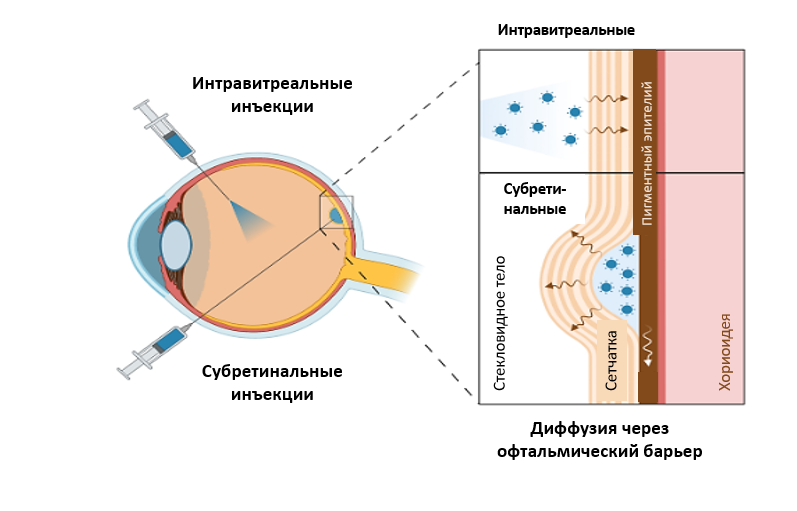
Fig. 1. Difference between intravitreal and subretinal injections [19]
Gene therapy for wet age-related macular degeneration
Gene therapy has the ability to continuously generate a desired protein, such as an endogenous anti-VEGF agent, and thus offers the prospect of alleviating the treatment burden of frequent intravitreal injections through a long-term therapeutic effect. Based on available data, it is becoming clear that some patients, even with gene therapy, may still require maintenance doses of anti-VEGF drugs.
Surabgene lomparvovec (Sura-vec, ABBV-RGX-314) is a gene therapy developed by REGENXBIO (USA) and AbbVie (USA), utilizing an adeno-associated virus serotype 8 (AAV8) vector to deliver a transgene encoding a ranibizumab-like monoclonal antibody fragment against VEGF to the retina. The therapy is currently being investigated as a single subretinal or suprachoroidal injection to achieve sustained cellular expression of the anti-VEGF protein. Results from an open-label, multi-cohort phase I/IIa study were recently published, reporting positive safety and efficacy outcomes with a single subretinal administration of ABBV-RGX-314 in nAMD. The treatment effect was observed for up to 2 years. The study included 5 cohorts, depending on dosage (3 × 10⁹ vg/eye, 1 × 10¹⁰ vg/eye, 6 × 10¹⁰ vg/eye, 1.6 × 10¹¹ vg/eye, 2.5 × 10¹¹ vg/eye). No immune reactions or inflammation were noted beyond those expected after routine vitrectomy, but there was one complication possibly related to the drug effect. Doses of 6 × 10¹⁰ vg/eye or higher led to sustained intraocular concentrations of the RGX-314 protein and stabilization or improvement in best corrected visual acuity (BCVA) and central retinal thickness (CRT) with few or no additional anti-VEGF-A injections in most participants [20]. Randomized, partially masked, controlled trials, ATMOSPHERE (phase IIb/III) and ASCENT (phase III), are currently underway to evaluate mean changes in BCVA from baseline to 54 weeks. Comparison will be made between two subretinal doses of ABBV-RGX-314 and monthly intravitreal ranibizumab and aflibercept [21, 22]. Topline data evaluating the safety and efficacy of the subretinal delivery form of Sura-vec are expected in 2026 [23].
The phase II AAVIATE trial is ongoing. This is a multicenter, open-label, randomized, active-controlled, dose-escalation study investigating the efficacy, safety, and tolerability of suprachoroidal ABBV-RGX-314 administered using the Clearside SCS Microinjector® compared to monthly intravitreal ranibizumab. In the study, RGX-314 is administered at three dose levels: 2.5 × 10¹¹ (cohort 1), 5 × 10¹¹ (cohorts 2 and 3), and 1 × 10¹² (cohorts 4--6) genomic copies per eye. Interim data released by REGENXBIO showed that over half of the patients in cohorts 4--6 achieved an 80% reduction in annualized injection rate (i.e., average number of anti-VEGF injections per year) and a 50% injection-free rate over 6 months following a single suprachoroidal injection of ABBV-RGX-314. Mild intraocular inflammation (IOI) occurred at similar rates with both dosages. Early results support the promising potential of Sura-vec as a one-time injection that could provide long-term efficacy and safety in nAMD [20, 23, 24].
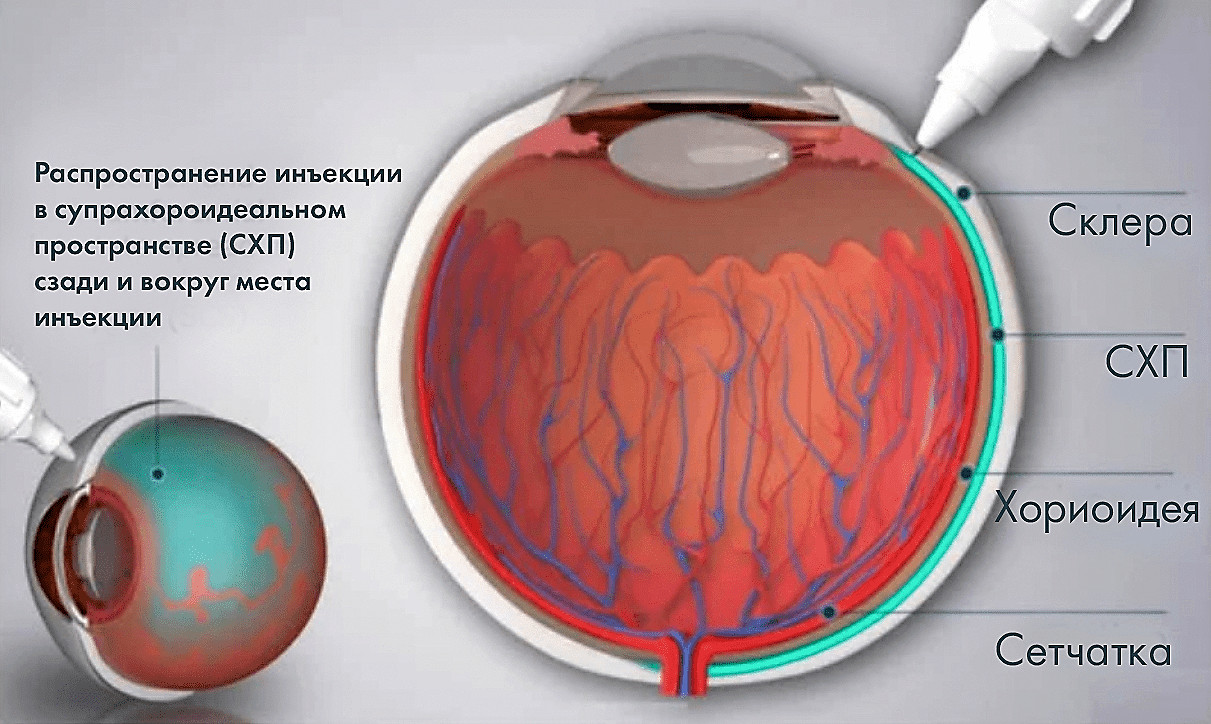
Fig. 2. Insertion of a microneedle into the suprachoroidal space [18]
Ixo-vec (ixoberogene soroparvovec, formerly ADVM-022), developed by Adverum Biotechnologies Inc., USA, is an intravitreal gene therapy using an AAV2.7m8 vector to deliver a transgene encoding an aflibercept-like sequence [25]. OPTIC, a multicenter phase I study, assessed the safety and tolerability of Ixo-vec in patients with nAMD. Participants were assigned to four cohorts, differing in Ixo-vec dosage (2 × 10¹¹ or 6 × 10¹¹ vector genomes (vg)/eye) and either oral prednisolone or topical difluprednate as prophylactic steroids. Most ocular treatment-emergent adverse events were mild (84%) or moderate (16%) and dose-dependent, with anterior chamber cells and vitreous cells being most frequently reported [25]. In the OPTIC study, patients receiving both tested doses maintained aflibercept levels for 4.5 years and demonstrated impressive efficacy: the anti-VEGF injection rate was reduced by 86% in the 2 × 10¹¹ vg/eye cohort. Vision was maintained, and anatomical outcomes improved throughout the three-year study. Nearly 50% of patients in the 2 × 10¹¹ vg/eye cohort required no additional maintenance anti-VEGF injections [26, 27].
In the ongoing phase II LUNA study, the safety and efficacy of Ixo-vec at doses of 2 × 10¹¹ vg/eye and a lower dose of 6 ×10¹⁰ vg/eye are being investigated in conjunction with enhanced corticosteroid prophylaxis. Promising preliminary results from the LUNA study were announced, with both doses maintaining visual and anatomical outcomes. At 52 weeks, doses of 2 × 10¹¹ and 6 ×10¹⁰ vg/eye achieved an annualized reduction in maintenance anti-VEGF injections by 92% and 88%, with 54% and 69% being injection-free, respectively. Only minor inflammatory reactions were noted, which were managed with topical corticosteroids. No other significant ocular adverse drug reactions occurred. In the second half of the year, Adverum initiated a phase III study, ARTEMIS, which plans to compare Ixo-vec at a dose of 6 × 10¹⁰ vg/eye with aflibercept [27].
4D-150 (4D Molecular Therapeutics, 4DMT, USA) comprises an intravitreal R100 capsid, derived from non-human primates. It carries two transgenes: one encodes aflibercept, active against VEGF-A, VEGF-B, and placental growth factor (PlGF); the second encodes a microRNA targeting VEGF-C, which disrupts its synthesis via interference [28]. PRISM is a prospective, multicenter, phase I/II randomized, controlled, masked study investigating the safety and tolerability of 4D-150 in nAMD. The drug was administered with corticosteroids to prevent IOI [28]. Phase I results, over 36 months, showed that all three dose cohorts (3 × 10¹⁰, 1 × 10¹⁰, and 6 × 10⁹ vg/eye) of 4D-150 were safe and well-tolerated. In the 3 × 10¹⁰ vg/eye cohort, an overall 96.7% reduction in mean annualized anti-VEGF injection rate was observed, with 80% requiring no aflibercept maintenance doses [28]. Phase II (PRISM) interim results met all key endpoints at 24 weeks, and the 3 × 10¹⁰ vg/eye cohort demonstrated comparable and stable BCVA and more pronounced efficacy and stability in CRT compared to the aflibercept arm. The 4FRONT-1 study, a multicenter, randomized phase III trial, is underway. The study duration is 52 weeks. It will compare the efficacy, safety, and injection frequency of 4D-150 versus aflibercept. A second phase III study, 4FRONT-2, has an identical design to 4FRONT-1 but will evaluate the primary pharmacological outcomes of 4D-150 in both treatment-naïve and treatment-experienced patients. 4FRONT-2 is expected to start in the third quarter of 2025. Data on primary endpoints for both trials are expected in the first half of 2027 [29].
EXG102-031 (Exegenesis Bio, USA) is a subretinal gene therapy injection based on a recombinant AAV vector expressing an angiopoietin (Ang) domain and a VEGF receptor fusion protein (ABD-VEGFR), which binds and neutralizes all known VEGF subtypes and Ang-2 [30]. EXG102-031 is currently in an open-label, dose-escalation phase I/IIa study designed to assess its safety and efficacy in nAMD [30].
FT-003 (Frontera Therapeutics, USA) is a gene therapy involving a subretinal injection of a recombinant AAV vector. Upon transduction of retinal cells, it produces a recombinant fusion protein homologous to aflibercept. FT-003 is being investigated in an open-label, single-center phase I study to evaluate its safety, tolerability, and preliminary efficacy in patients with nAMD [31]. In 2024, FT-003 was approved for phase II studies for nAMD in China [32].
KH631 (Chengdu Origen Biotechnology, USA) is a gene therapy administered via subretinal injection, using a recombinant AAV8 vector designed to produce a human VEGF receptor fusion protein, consisting of domain 2 of VEGFR1, domains 3 and 4 of VEGFR2, and the Fc domain of human immunoglobulin G1 (IgG1), with binding affinity for VEGF-A, VEGF-B, and PlGF. In preclinical primate studies, subretinal delivery of KH631 at a low concentration (3 × 10⁸ vg/eye) demonstrated significant retention of therapeutic protein levels in the retina, halting the development and progression of neovascularization [33]. Moreover, sustained expression of the therapeutic gene was observed for over 96 weeks. The phase I clinical study, VAN-2201, is an ongoing, multicenter, open-label, dose-escalation trial evaluating the safety and tolerability of KH631 in five dose cohorts of patients with nAMD. Preliminary results from three cohorts were published in late 2024, showing favorable efficacy and safety profiles after one year of follow-up [34].
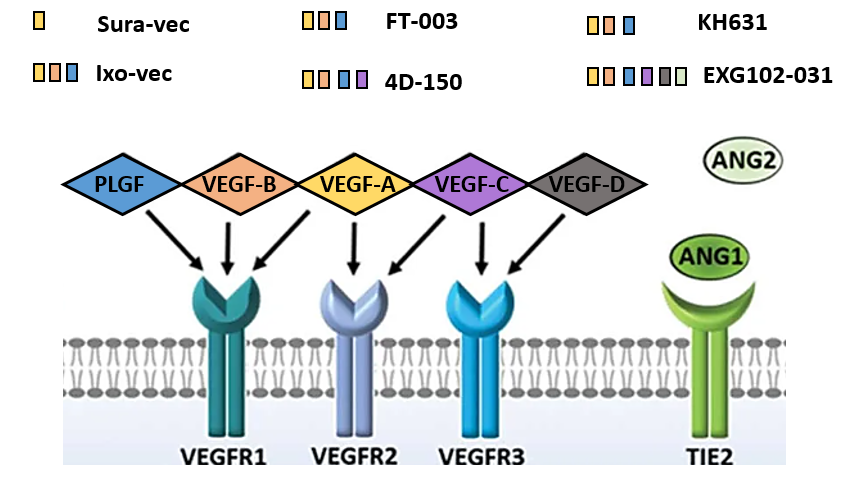
Fig. 3. Main targets of gene therapy drugs [42]
OLX10212 (OliX Pharmaceuticals, Republic of Korea) is a chemically modified asymmetric small interfering RNA (siRNA) that can directly penetrate cells without a delivery carrier to inhibit inflammatory pathways. Specific targets are not yet public. It is administered via a single intravitreal injection. A current multicenter phase I single-ascending-dose study is evaluating the safety and tolerability of OLX10212 at dose levels ranging from 100 µg/eye/50 µL to 950 µg/eye/50 µL. The primary goal of the study is to assess the efficacy and pharmacokinetics of single and multiple injections in patients with nAMD [35]. OliX Pharmaceuticals recently announced positive safety data and preliminary efficacy results from this study, including no signs of inflammation, changes in intraocular homeostasis, or systemic effects in any patient. The study also identified dose levels suitable for efficacy testing in future clinical trials [36].
JNJ-1887 (JNJ-81201887, HMR-59, Belgium) is a gene therapy drug product consisting of a recombinant AAV2 vector administered intravitreally. JNJ-1887 increases the expression of soluble CD59 (sCD59), which inhibits the formation of the membrane attack complex (MAC), a process involved in AMD pathogenesis, showing a correlation with disease severity and RPE damage. JNJ-1887 is under development for the treatment of nAMD and geographic atrophy (GA) secondary to dry AMD. Two phase I studies, 1001 and 1002, demonstrated the safety of JNJ-1887 in patients with GA and nAMD, respectively [37]. Trial 1002 was an open-label, multicenter, 24-month study involving 25 treatment-naïve patients with nAMD. Patients received an initial anti-VEGF injection followed by a single intravitreal injection of JNJ-1887 at doses of 3.56 × 10¹¹ or 1.071 × 10¹² vg/eye, with a protocol-defined regimen of oral corticosteroid prophylaxis. Four cases of ocular inflammation were reported, all mild or moderate in severity and resolving after a short course of oral and topical steroids [38]. Preliminary results indicated that 18.2% of patients receiving the lower dose required no retreatment during the first 6 months [39]. These early results suggest JNJ-1887 may offer a therapeutic advantage compared to other treatments for patients experiencing both nAMD and GA in the same eye, a condition documented in various clinical studies [40].
To date, the three most extensively studied gene therapy candidates are Sura-vec, Ixo-vec, and 4D-150. Based on completed study results, these drugs demonstrate high therapeutic potential and acceptable safety profiles. EXG102-031 has the broadest spectrum of action, but data on its primary pharmacological properties are still limited. Long-term studies are needed to fully evaluate the efficacy and safety of this new class of drugs. Viral vector gene therapy is a promising approach, highlighting significant progress in transforming treatment strategies for nAMD.
Gene therapy for dry age-related macular degeneration
Geographic atrophy (GA) represents the progressive advanced form of dry AMD, characterized by degeneration of photoreceptors, RPE, and choriocapillaris. The disease burden associated with GA is substantial, severely impacting the quality of life of both patients and their caregivers [41, 42]. The prognosis for patients with GA associated with progressive dry AMD has changed dramatically with the recent approval of two intravitreal complement inhibitors: pegcetacoplan (Syfovre, Apellis Pharmaceuticals, USA) and avacincaptad pegol (Izervay, Astellas Pharma, Japan) [43, 44]. These drugs act by inhibiting the complement cascade, which is involved in initiating RPE cell death leading to GA. However, a major drawback of their use is the need for monthly intravitreal injections in the first year of therapy, followed by every other month administration for an indefinite period. Gene therapy is generating significant interest due to its potential as a treatment with longer dosing intervals for GA.
As previously mentioned, JNJ-1887, an intravitreal gene therapy using a recombinant AAV2 vector to endogenously increase sCD59 expression, is being developed for both wet AMD and GA secondary to dry AMD. Trial 1001 was an open-label, single-center, 24-month study involving 17 patients with GA across three dose groups: low (3.56 × 10¹⁰ vg/eye; n=3), intermediate (1.07 × 10¹¹ vg/eye; n=3), and high (3.56 × 10¹¹ vg/eye; n=11) [37, 38]. Mild IOI was observed in five patients. These cases were managed by observation until resolution or with topical corticosteroids. The study showed that the rate of GA progression was lower in the majority of patients in the high-dose group compared to a control group. No cases of conversion to wet AMD were noted [45].
Currently, Janssen Pharmaceutica is recruiting patients with GA secondary to dry AMD for the phase IIb PARASOL study [46]. The company plans to enroll 300 participants and assign them to cohorts, one of which will receive placebo. A key efficacy endpoint is the change in GA lesion area over 18 months. JNJ-1887 has received Fast Track designation from the FDA and Advanced Therapy Medicinal Product (ATMP) designation from the EMA [48].
OCU410 (AAV-hRORA, Ocugen, USA) utilizes an AAV vector delivery system to transport the RORA (Retinoic Acid Receptor-related Orphan Receptor A) gene to the retina. The RORA protein plays a crucial role in lipid metabolism, reducing lipofuscin accumulation and oxidative stress. It possesses anti-inflammatory properties and suppresses the complement system, as evidenced by in vitro and animal model studies [48, 49]. The phase I/II ArMaDa study aims to evaluate the safety of unilateral subretinal administration of OCU410 in individuals with GA and will be conducted in two phases. Phase I is a multicenter, open-label, dose-ranging study including three dose levels: low (2.5 × 10¹⁰ vg/mL), medium (5 × 10¹⁰ vg/mL), and high (1.5 × 10¹¹ vg/mL). Phase II is a randomized study where patients will be randomly assigned to either one of two OCU410 treatment groups or an untreated control group. Ocugen recently announced that the phase I/II ArMaDa study involving 60 participants showed OCU410 has a favorable safety profile, with no serious adverse effects, a 44% reduction in lesion growth compared to untreated fellow eyes, and significant improvements in visual function. The company plans to conduct a pivotal phase III study in 2026 and submit regulatory filings by 2028 [50].
4D-175 (formerly sCFH, 4D Molecular Therapeutics, USA) is a therapeutic candidate for GA using the proprietary R100 retinol-tropic vector to deliver a transgene encoding a shortened form of human complement factor H (sCFH). sCFH is a truncated and optimized form of complement factor H (CFH), the master inhibitor and regulator of the alternative complement pathway inflammatory system. Mutations in the CFH gene have been identified as significant genetic risk factors for developing AMD, including GA. Approximately 75% of GA patients carry high-risk CFH variants that reduce complement inhibitory function and lead to increased activity of the complement pathway. 4DMT announced that an Investigational New Drug (IND) application was expected in Q2 2024, with phase I initiation expected in H2 2024 [51]. No interim results from this study are available yet.
Gene therapy for geographic atrophy is a promising area of modern medicine. The most advanced candidates are in early stages of investigation, and definitive conclusions about their therapeutic prospects cannot yet be made. It is important to remember that in advanced GA, even gene therapy is unlikely to significantly impact functional outcomes, as the retina at this stage has irreversible photoreceptor damage.
Problems of using gene therapy in the treatment of age-related macular degeneration
Gene therapy holds significant promise for treating AMD, but certain risks must be acknowledged. Emerging safety and efficacy data for AMD gene therapy are encouraging, but the lack of long-term results raises concerns about potential adverse drug reactions and the durability of treatment effects over time. Furthermore, the process of precisely delivering the therapeutic gene to specific retinal cells remains complex. Despite significant progress in refining intraocular delivery techniques, a universally successful and consistent method for targeting retinal cells in all patients has not yet been established [14, 52].
A substantial challenge arises from the immune system's response to the viral vectors used in gene therapy, which can be recognized as foreign and trigger an inflammatory reaction. The severity of this inflammation can range from mild to severe, influenced by factors such as dosage, delivery route, viral vector type, promoter, and the specific gene delivered. For instance, adenoviral vectors generally provoke a stronger inflammatory response compared to AAV vectors. The presence of pre-existing neutralizing antibodies in a patient's blood can hinder the viral vector's ability to deliver the therapeutic gene effectively, with the prevalence of these antibodies varying across different AAV serotypes [53, 54]. Comparatively, elderly patients with AMD often have elevated baseline ocular inflammation and pre-existing anti-AAV antibodies, which could exacerbate the immune response and diminish the therapeutic effect [55-57]. Dose-dependent ocular inflammation, an adverse effect observed in ocular gene therapy clinical trials, poses a risk regardless of administration route, including subretinal, suprachoroidal, and intravitreal delivery [58, 59]. Managing intraocular inflammatory reactions in ocular gene therapy requires the use of topical or systemic steroids. Additionally, concerns regarding immune responses to the viral vector raise questions about the feasibility of administering the drug to the second eye, which is particularly relevant for patients with bilateral disease [60].
Subretinal injections are known to potentially carry a lower risk of IOI compared to intravitreal injections. However, while inflammation following intravitreal gene therapy typically responds well to treatment, the potential for these complications is still being investigated. Subretinal injection may pose a lower risk of anterior segment inflammation but carries a risk of localized retinal atrophy and pigmentary changes, especially with higher vector doses. Clinical experience in the Sura-vec trial with an AAV8 vector revealed a favorable safety profile, with no clinically significant immune reactions beyond those associated with the vitrectomy procedure itself [55-57]. One case of marked vision loss due to RPE alteration was reported at a high vector dose. Asymptomatic peripheral RPE defects were observed in several patients receiving moderate to high doses. While this method enables very precise delivery to the subretinal space, it presents technical difficulties in elderly AMD patients with thin or atrophic retinas, and consequently a higher risk of damage or other complications.
Intravitreal injection is more frequently associated with anterior segment inflammation, such as anterior uveitis and vitreitis. This was observed in Ixo-vec clinical trials, where phase I/II data showed up to 40% incidence of anterior uveitis at high doses. Most inflammatory reactions were mild to moderate in severity and responded well to topical corticosteroids, with no vision-threatening inflammation reported [55-57].
The complex nature of gene therapy administration procedures and their high cost raise questions about the practicality of widespread adoption, potentially leading to ethical concerns regarding equitable access to treatment [61]. These challenges underscore the importance of continued research to refine delivery methods, reduce the incidence of immune reactions, and lower costs to make these therapies more accessible.
In conclusion, gene therapy offers a promising avenue for treating AMD, but the associated challenges and risks highlight the need for ongoing research and development. Ensuring the safety, efficacy, and accessibility of these treatments will be critical for their success as a long-term solution for AMD.
Conclusion
The field of gene therapy for retinal diseases is rapidly evolving, offering promising alternatives to current standards of care. Nevertheless, it is crucial to recognize the challenges and limitations that accompany the development and implementation of gene therapy.
Ocular gene therapy can present significant challenges, such as IOI and immune responses. Furthermore, the route of administration is critical. Subretinal administration requires a highly skilled surgeon and, in rare cases with high drug dosages, can lead to retinal atrophy. Intravitreal injections are simpler to perform but carry a higher risk of IOI. Determining optimal dosages that balance clinical efficacy with minimizing inflammatory reactions will be key to substantially reducing risks for patients undergoing ocular gene therapy and, consequently, optimizing the duration, intensity, and route of steroid administration.
Factors such as safety, route of administration, optimal dosing regimens, long-term efficacy, and the affordability of these innovative treatments require further study and consideration. Future research will focus on refining vector design, selecting appropriate promoters, and optimizing delivery methods while carefully managing the risks associated with the long-term expression of proteins that inhibit angiogenesis or the complement system.
Despite remaining challenges, the advances in gene therapy presented in this article offer a glimpse into a future where the treatment of retinal diseases is transformed, providing hope for improved outcomes and quality of life for patients worldwide.
1. Макулярная дегенерация возрастная: клинические рекомендации РФ, 2024. [Age-related macular degeneration: clinical guidelines of the Russian Federation, 2024. (In Russ.).]
2. Baumal CR. Wet age-related macular degeneration: treatment advances to reduce the injection burden. Am J Manag Care. 2020 May;26(5 Suppl):S103-S111. doi: 10.37765/ajmc.2020.43435.
3. Будзинская М.В., Плюхова А.А., Алхарки Л. Современные тенденции анти-VEGF -терапии возрастной макулярной дегенерации. Вестник офтальмологии. 2023;139(3-2):46-50. [Budzinskaya MV, Plyukhova AA, Alkharki L. Modern trends in anti-VEGF therapy for age-related macular degeneration. Russian Annals of Ophthalmology. 2023;139(3-2):46-50. (In Russ.)]. doi: 10.17116/oftalma202313903246.
4. GBD 2019 Blindness and Vision Impairment Collaborators; Vision Loss Expert Group of the Global Burden of Disease Study. Causes of blindness and vision impairment in 2020 and trends over 30 years, and prevalence of avoidable blindness in relation to VISION 2020: the Right to Sight: an analysis for the Global Burden of Disease Study. Lancet Glob Health. 2021 Feb;9(2):e144-e160. doi: 10.1016/S2214-109X(20)30489-7. Epub 2020 Dec 1. Erratum in: Lancet Glob Health. 2021 Apr;9(4):e408. doi: 10.1016/S2214-109X(21)00050-4.
5. Wong WL, Su X, Li X, et al. Global prevalence of age-related macular degeneration and disease burden projection for 2020 and 2040: a systematic review and meta-analysis. Lancet Glob Health. 2014 Feb;2(2):e106-16. doi: 10.1016/S2214-109X(13)70145-1.
6. Зайцевой О.В., Нероева Н.В. Заболевания сетчатки в цифрах федеральной статистики Российской Федерации» на конференции / Достижения и перспективы офтальмологии: Национальный конгресс с международным участием; март 4-5, 2025; Москва. [Zaitseva O.V., Neroeva N.V. "Retinal diseases in the figures of federal statistics of the Russian Federation" at the conference / Achievements and Prospects of Ophthalmology: National Congress with International Participation; March 4-5, 2025; Moscow (In Russ.).] Доступно по: https://ovis.ru/media/filer_public/f4/95/f495e1f4-3cfa-4b8f-8de4-6f1df54a0b03/retinal_diseases_in_russia_2025_news_organum_visus.pdf. Ссылка активна на 26.07.2025.
7. Sharma A, Parachuri N, Kumar N, et al. The Port Delivery System with ranibizumab-journey of mitigating vitreous hemorrhage. Eye (Lond). 2022 Mar;36(3):488-489. doi: 10.1038/s41433-021-01830-5.
8. Sarkar A, Dyawanapelly S. Nanodiagnostics and Nanotherapeutics for age-related macular degeneration. J Control Release. 2021 Jan 10;329:1262 1282. doi: 10.1016/j.jconrel.2020.10.054.
9. Sarkar A, Jayesh Sodha S, Junnuthula V, et al. Novel and investigational therapies for wet and dry age-related macular degeneration. Drug Discov Today. 2022 Aug;27(8):2322-2332. doi: 10.1016/j.drudis.2022.04.013.
10. Rowe LW, Ciulla TA. Gene Therapy for Non-Hereditary Retinal Disease: Age-Related Macular Degeneration, Diabetic Retinopathy, and Beyond. Genes (Basel). 2024 Jun 1;15(6):720. doi: 10.3390/genes15060720.
11. Лукстурна (Luxturna). Доступно по: https://medi.ru/instrukciya/luksturna_27146/ Ссылка активна на 26.07.2025.
12. Wang JH, Zhan W, Gallagher TL, Gao G. Recombinant adeno associated virus as a delivery platform for ocular gene therapy: A comprehensive review. Mol Ther. 2024 Dec 4;32(12):4185-4207. doi: 10.1016/j.ymthe.2024.10.017.
13. Kolesnik VV, Nurtdinov RF, Oloruntimehin ES, et al. Optimization strategies and advances in the research and development of AAV-based gene therapy to deliver large transgenes. Clin Transl Med. 2024 Mar;14(3):e1607. doi: 10.1002/ctm2.1607.
14. Hushmandi K, Lam HY, Wong WM, et al. Gene therapy for age related macular degeneration: a promising frontier in vision preservation. Cell Commun Signal. 2025 May 20;23(1):233. doi: 10.1186/s12964-025-02246-4.
15. Guimaraes TAC, Georgiou M, Bainbridge JWB, Michaelides M. Gene therapy for neovascular age-related macular degeneration: rationale, clinical trials and future directions. Br J Ophthalmol. 2021 Feb;105(2):151-157. doi: 10.1136/bjophthalmol-2020-316195.
16. Lisowski L, Tay SS, Alexander IE. Adeno-associated virus serotypes for gene therapeutics. Curr Opin Pharmacol. 2015 Oct;24:59-67. doi: 10.1016/j.coph.2015.07.006.
17. Peng Y, Tang L, Zhou Y. Subretinal Injection: A Review on the Novel Route of Therapeutic Delivery for Vitreoretinal Diseases. Ophthalmic Res. 2017;58(4):217-226. doi: 10.1159/000479157.
18. Wan CR, Muya L, Kansara V, Ciulla TA. Suprachoroidal Delivery of Small Molecules, Nanoparticles, Gene and Cell Therapies for Ocular Diseases. Pharmaceutics. 2021 Feb 22;13(2):288. doi: 10.3390/pharmaceutics13020288.
19. Carvalho C, Lemos L, Antas P, Seabra MC. Gene therapy for inherited retinal diseases: exploiting new tools in genome editing and nanotechnology. Front Ophthalmol (Lausanne). 2023 Sep 19;3:1270561. doi: 10.3389/fopht.2023.1270561.
20. Campochiaro PA, Avery R, Brown DM, et al. Gene therapy for neovascular age-related macular degeneration by subretinal delivery of RGX 314: a phase 1/2a dose-escalation study. Lancet. 2024 Apr 20;403(10436):1563-1573. doi: 10.1016/S0140-6736(24)00310-6.
21. Study Details | Pivotal 1 Study of RGX-314 Gene Therapy in Participants with nAMD | ClinicalTrials.gov. [cited 2025 Aug 15]. Available online: https://clinicaltrials.gov/study/NCT04704921.
22. Study Details | Pivotal 2 Study of RGX-314 Gene Therapy in Participants with nAMD | ClinicalTrials.gov. [cited 2025 Aug 15]. Available online: https://clinicaltrials.gov/study/NCT05407636.
23. AbbVie and REGENXBIO Announce Updates on the ABBV-RGX-314 Clinical Program. January 13, 2025. [cited 2025 Jul 26]. Режим доступа: https://news.abbvie.com/2025-01-13-AbbVie-and-REGENXBIO-Announce-Updates-on-the-ABBV-RGX-314-Clinical-Program.
24. REGENXBIO Announces Positive Interim Data from Phase II AAVIATE® Trial of ABBV-RGX-314 for the Treatment of Wet AMD Using Suprachoroidal Delivery|Regenxbio Inc. [cited 2025 Jul 26]. Режим доступа: https://regenxbio.gcs-web.com/news-releases/news-release-details/regenxbio-announces-positive-interim-data-phase-ii-aaviater/
25. Regillo C.D. Ixo-vec (ixoberogene soroparvovec) Intravitreal Gene Therapy for Neovascular AMD: 3-Year Results from the Phase 1 OPTIC Extension Trial and Preliminary Data from the Phase 2 LUNA Trial [PowerPoint slides]. AAO Retina Subspecialty. San Francisco, CA, UnitedStates. 2024. [cited 2025 Aug 15]. https://adverum.com/wp-content/uploads/2023/11/ADVM-AAO2023-OPTIC-LUNA.pdf.
26. Khanani AM, Boyer DS, Wykoff CC, et al. Safety and efficacy of ixoberogene soroparvovec in neovascular age-related macular degeneration in the United States (OPTIC): a prospective, two-year, multicentre phase 1 study. EClinicalMedicine. 2023 Dec 22;67:102394. doi: 10.1016/j.eclinm.2023.102394.
27. Adverum Biotechnologies Announces Positive 52-Week LUNA and 4-Year OPTIC Results, and Provides Key Pivotal Program Design Elements [cited 2026 Jun 24]. Режим доступа: https://adverum.com/press-archive/adverum-biotechnologies-announces-positive-52-week-luna-and-4-year-optic-results-and-provides-key-pivotal-program-design-elements/.
28. Khanani AM, Hershberger VS, Kay CN, et al. Interim results for the Phase 1/2 PRISM Trial evaluating 4D-150, a dual-transgene intravitreal genetic medicine in individuals with neovascular (wet) age-related macular degeneration. Invest Ophthalmol Vis Sci. 2023;64(8):5055.
29. 4DMT Announces First Patients Enrolled in 4FRONT-1 Phase 3 Clinical Trial Evaluating 4D-150 in Wet AMD. 2025 [cited 2025 Jul 26]. Режим доступа: https://4dmt.gcs-web.com/news-releases/news-release-details/4dmt-announces-first-patients-enrolled-4front-1-phase-3-clinical.
30. A Study of EXG102-031 in Participants With wAMD [Internet]. ClinicalTrials.gov. Last Update Posted 2024-01-09. [cited 2025 Jul 26]. Режим доступа: https://clinicaltrials.gov/study/NCT06183814.
31. Gene Therapy for Wet AMD [Internet]. ClinicalTrials.gov. Last Update Posted 2023-04-26. [cited 2025 Jul 26]. Режим доступа: https://clinicaltrials.gov/study/NCT05611424.
32. FDA Frontera Receives FDA clearance for FT-003 Phase 2 IND in Neovascular Age-Related Macular Degeneration. Last Update Posted 2024 11-12. [cited 2025 Jul 26]. Режим доступа: https://fronteratherapeutics.com/news/203.html.
33. Ke X, Jiang H, Li Q, et al. Preclinical evaluation of KH631, a novel rAAV8 gene therapy product for neovascular age-related macular degeneration. Mol Ther. 2023 Nov 1;31(11):3308-3321. doi: 10.1016/j.ymthe.2023.09.019.
34. Stephen Huddleston, Shawn Patrick Shearn, Anna Maria Oughton, et al; VAN-2201: Phase 1 study of KH631 gene therapy for the treatment of wet AMD (NCT05657301). Invest Ophthalmol Vis Sci. 2025;66(8):6385.
35. Evaluation of OLX10212 in Patients With Neovascular Age-related Macular Degeneration [Internet]. ClinicalTrials.gov. Last Update Posted 2024-02-21. [cited 2025 Jul 26]. Режим доступа: https://clinicaltrials.gov/study/NCT05643118?term=olix&rank=2.
36. OliX [Internet]. Olix News [cited 2025 Jul 26]. Режим доступа: https://olixpharma.com/eng/pr/news.php?ptype=view&idx=424&page=1&code=news_eng.
37. Lad EM, Chao DL, Pepio A, et al. Pooled Safety Analysis of a Single Intravitreal Injection of JNJ-1887 (Gene Therapy, AAVCAGsCD59) in Patients with Age-Related Macular Degeneration (AMD). Invest Ophthalmol Vis Sci. 2023;64(8):732. [cited 2025 Jul 26]. Режим доступа: https://iovs.arvojournals.org/article.aspx?articleid=2786197
38. JNJ-81201887 Medical Information. [cited 2025 Jul 30]. Режим доступа: https://www.jnjmedicalconnect.com/products/jnj-81201887/medical-content/phase-1-clinical-trials#biblioRef02.
39. Dugel PU. Data on a Gene Therapy for Dry and Wet AMD. Retinal Physician. 2020;17:16-17.
40. Kaszubski P, Ben Ami T, Saade C, Smith RT. Geographic Atrophy and Choroidal Neovascularization in the Same Eye: A Review. Ophthalmic Res. 2016;55(4):185-93. doi: 10.1159/000443209.
41. Das N, Talcott KE. Tyrosine Kinase Inhibitors for Wet AMD and Diabetic Retinopathy. Retinal Physician. 2024;21:14-17.
42. Patel PJ, Ziemssen F, Ng E, et al. Burden of Illness in Geographic Atrophy: A Study of Vision-Related Quality of Life and Health Care Resource Use. Clin Ophthalmol. 2020 Jan 8;14:15-28. doi: 10.2147/OPTH.S226425.
43. Heier JS, Lad EM, Holz FG, et al; OAKS and DERBY study investigators. Pegcetacoplan for the treatment of geographic atrophy secondary to age-related macular degeneration (OAKS and DERBY): two multicentre, randomised, double-masked, sham-controlled, phase 3 trials. Lancet. 2023 Oct 21;402(10411):1434-1448. doi: 10.1016/S0140-6736(23)01520-9.
44. Khanani AM, Patel SS, Staurenghi G, et al; GATHER2 trial investigators. Efficacy and safety of avacincaptad pegol in patients with geographic atrophy (GATHER2): 12-month results from a randomised, double-masked, phase 3 trial. Lancet. 2023 Oct 21;402(10411):1449-1458. doi: 10.1016/S0140-6736(23)01583-0.
45. Heier JS, Cohen MN, Chao DL, et al. Phase 1 Study of JNJ-81201887 Gene Therapy in Geographic Atrophy Secondary to Age-Related Macular Degeneration. Ophthalmology. 2024 Dec;131(12):1377-1388. doi: 10.1016/j.ophtha.2024.06.013.
46. A Phase 2b, Randomized, Double-Masked, Multicenter, Dose Ranging, Sham-Controlled Clinical Trial to Evaluate Intravitreal JNJ 81201887 (AAVCAGsCD59) Compared to Sham Procedure for the Treatment of Geographic Atrophy (GA) Secondary to Age-Related Macular Degeneration (AMD) [Internet]. ClinicalTrials.gov. Last Update Posted 2025-07-20. [cited 2025 Jul 26]. Режим доступа: https://clinicaltrials.gov/study/NCT05811351.
47. Janssen to Highlight Innovation in Retinal Pipeline at the Association for Research in Vision and Ophthalmology (ARVO) 2023 Annual Meeting [Internet]. Johnson& Johnson [cited 2025 Jul 26]. Режим доступа: https://www.jnj.com/media-center/press-releases/janssen-to-highlight-innovation-in-retinal-pipeline-at-the-association-for-research-in-vision-and-ophthalmology-arvo-2023-annual-meeting.
48. Singh DK, Kattala SS, Upadhyay AK. OCU410, a Potential Therapeutic for Dry-AMD, Suppresses Inflammatory Cytokine Gene Expression in Retinal Epithelial Cells. Invest Ophthalmol Vis Sci. 2022;63(7):80-A0053.
49. Singh DK, Nsaibia M, Kattala S, et al. Modifier Gene Approach Using OCU410 for Dry-AMD Therapy: One Gene-Multiple Targets. Invest Ophthalmol Vis Sci. 2023;64(8):755.
50. Ocugen Completes Phase 2 Enrollment in OCU410 Clinical Trial for Geographic Atrophy Treatment [Internet]. Nasdaq. [cited 2025 Jul 26]. Режим доступа: https://www.nasdaq.com/articles/ocugen-completes-phase-2-enrollment-ocu410-clinical-trial-geographic-atrophy-treatment.
51. 4DMT Announces FDA Clearance of IND Application for 4D-175 Genetic Medicine for the Treatment of Geographic Atrophy|4D Molecular Therapeutics [Internet]. 4 DMT Investors and Media Release Details. [cited 2025 Jul 26]. Режим доступа: https://4dmt.gcs-web.com/news-releases/news-release-details/4dmt-announces-fda-clearance-ind-application-4d-175-genetic/.
52. Trincão-Marques J, Ayton LN, Hickey DG, et al. Gene and cell therapy for age-related macular degeneration: A review. Surv Ophthalmol. 2024 Sep-Oct;69(5):665-676. doi: 10.1016/j.survophthal.2024.05.002.
53. Mehta N, Robbins DA, Yiu G. Ocular Inflammation and Treatment Emergent Adverse Events in Retinal Gene Therapy. Int Ophthalmol Clin. 2021 Jul 1;61(3):151-177. doi: 10.1097/IIO.0000000000000366.
54. Zaiss AK, Liu Q, Bowen GP, et al. Differential activation of innate immune responses by adenovirus and adeno-associated virus vectors. J Virol. 2002 May;76(9):4580-90. doi: 10.1128/jvi.76.9.4580-4590.2002.
55. Khanani AM, Thomas MJ, Aziz AA, et al. Review of gene therapies for age-related macular degeneration. Eye (Lond). 2022 Feb;36(2):303-311. doi: 10.1038/s41433-021-01842-1.
56. Campochiaro PA, Avery R, Brown DM, et al. Gene therapy for neovascular age-related macular degeneration by subretinal delivery of RGX 314: a phase 1/2a dose-escalation study. Lancet. 2024 Apr 20;403(10436):1563 1573. doi: 10.1016/S0140-6736(24)00310-6.
57. Nussenblatt RB, Lee RW, Chew E, et al. Immune responses in age related macular degeneration and a possible long-term therapeutic strategy for prevention. Am J Ophthalmol. 2014 Jul;158(1):5-11.e2. doi: 10.1016/j.ajo.2014.03.014.
58. Bucher K, Rodríguez-Bocanegra E, Dauletbekov D, Fischer MD. Immune responses to retinal gene therapy using adeno-associated viral vectors — Implications for treatment success and safety. Prog Retin Eye Res. 2021 Jul;83:100915. doi: 10.1016/j.preteyeres.2020.100915.
59. Campochiaro PA, Wykoff CC, Brown DM, et al; Tanzanite Study Group. Suprachoroidal Triamcinolone Acetonide for Retinal Vein Occlusion: Results of the Tanzanite Study. Ophthalmol Retina. 2018 Apr;2(4):320-328. doi: 10.1016/j.oret.2017.07.013.
60. Poulsen K, Hanna K, Nieves J, et al. Nonclinical study of ixo-vec gene therapy for nAMD supports efficacy for a human dose of 6E10 vg/eye and staggered dosing of fellow eyes. Mol Ther Methods Clin Dev. 2025 Feb 10;33(1):101430. doi: 10.1016/j.omtm.2025.101430.
61. Хохлов А. Л., Белоусов Д. Ю. Глава 32. Этические вопросы генной терапии. В кн. Руководство по этике научных исследований / под общей ред. А.Л. Хохлова. Москва : Изд-во ОКИ, 2026. 764 с. ISBN 978-5-4465-4553-7. Режим доступа: https://izdat-oki.ru/rukovodstvo-po-etike-nauchnykh-issledovaniy-2026.
Larisa K. Moshetova — Dr. Sci. (Med.), Professor, Academician of the Russian Academy of Sciences, Head of the Department of Ophthalmology
Maria M. Soshina — Cand. Sci. (Med.), Medical advisor
Limitations of Current Therapy: Current treatment for neovascular AMD (nAMD) requires lifelong, frequent intravitreal injections of VEGF inhibitors (e.g., ranibizumab, aflibercept). This creates a high burden on patients and the healthcare system, and carries risks of complications. For the dry form (geographic atrophy, GA), recently approved complement inhibitors (pegcetacoplan, avacincaptad pegol) also necessitate regular, ongoing injections.
Principle of Gene Therapy: The approach involves using viral vectors (primarily adeno-associated viruses, AAV) to deliver genes encoding therapeutic proteins directly to retinal cells. This aims to achieve long-term (years-long), endogenous production of the drug following a single administration.
Proof of Concept: The success of gene therapy for inherited retinal diseases (approval of voretigene neparvovec for RPE65 mutations) demonstrated the feasibility and safety of using AAV vectors in ophthalmology, paving the way for developing therapies for more common, multifactorial diseases like AMD.
An Up-to-Date Review of Drugs in Development: The article provides a detailed overview of the current landscape of gene therapy for AMD, systematically presenting data on key candidates at various stages of clinical trials (from Phase I to III).
Comparative Analysis of Strategies:
For nAMD: It details the three most advanced candidates:
Sura-vec (ABBV-RGX-314): Uses subretinal and suprachoroidal delivery to produce an anti-VEGF antibody fragment. Promising 2-year Phase I/IIa data are shown, with registrational trials (ATMOSPHERE, ASCENT) underway.
Ixo-vec (ADVM-022): Intravitreal administration producing aflibercept. Data from OPTIC and LUNA trials show an 86–92% reduction in injection frequency and a high proportion of injection-free patients (up to 69%). A Phase III trial (ARTEMIS) is starting.
4D-150: A unique dual-transgene construct (inhibits VEGF-A, -B, PlGF, and VEGF-C) delivered intravitreally. Phase II data show a 96.7% reduction in injection frequency, with Phase III trials (4FRONT-1/-2) initiated.
For GA: It presents drugs targeting key pathogenic pathways of the dry form:
JNJ-1887: Inhibits the complement system (MAC) by producing sCD59. Has Phase I data showing slowed GA progression, with Phase IIb (PARASOL) started.
OCU410: Modulates multiple pathways (lipid metabolism, inflammation, complement) by delivering the RORA gene. Phase I/II data show a 44% slowing of GA lesion growth.
4D-175: Aims to inhibit complement by delivering a truncated form of Factor H (CFH). It is in early-stage development.
Analysis of Delivery Routes and Immune Response: The article thoroughly discusses the advantages and disadvantages of different delivery methods (subretinal, suprachoroidal, intravitreal) in the context of transduction efficacy, inflammation risk, and technical complexity. It emphasizes the dose-dependent nature of inflammation and the importance of steroid prophylaxis.
A Paradigm Shift in Treating nAMD: If current Phase III trials (with data expected in 2026-2027) are successful, gene therapy could transform nAMD treatment from "chronic injection therapy" into a "single intervention with long-term disease control." This would radically reduce patient and healthcare system burden, improve compliance, and prevent vision loss from missed injections.
The First Pathogenetic Therapy for GA: For the first time, there is a real prospect of not just slowing the progression of GA but doing so with one or a few injections providing years of effect, in contrast to current drugs requiring continuous administration.
Personalizing the Treatment Approach:
The emergence of drugs with different mechanisms of action (blocking only VEGF-A vs. a broad spectrum of angiogenic factors vs. complement inhibition) will allow therapy selection based on the specific disease characteristics of a patient (e.g., JNJ-1887 might be preferable when nAMD and GA coexist).
The choice of administration route: For patients at high risk of inflammation, the subretinal route might be preferable despite its complexity, while for others, a less invasive intravitreal injection would be more acceptable.
New Challenges for Clinicians: Physicians will need to acquire new skills (e.g., performing suprachoroidal injections), manage new spectrums of adverse events (dose-dependent immune inflammation), and address ethical and organizational issues related to the high cost and accessibility of single-administration, but expensive, treatments.
Moshetova L.K., Soshina M.M. Gene therapy for age-related macular degeneration: new prospects for vision restoration. Pharmacogenetics and Pharmacogenomics. 2025;(4):18-28. (In Russ.) https://doi.org/10.37489/2588-0527-2025-4-18-28. EDN: JUMKTZ
НАШИ КНИГИ



Другие журналы
"Издательства ОКИ"




ПАРТНЕРЫ


 Email this article (Login required)
Email the author (Login required)
Email this article (Login required)
Email the author (Login required)  Post a Comment (Login required)
121357, Moscow, st. Vatutina, 4, building 2, apt. 22
LLC "Izdatelstvo OKI"
Tel. + 7 (916) 986-04-65
Email: eva88@list.ru